Shopping for a Used Honda Accord: Features That Matter
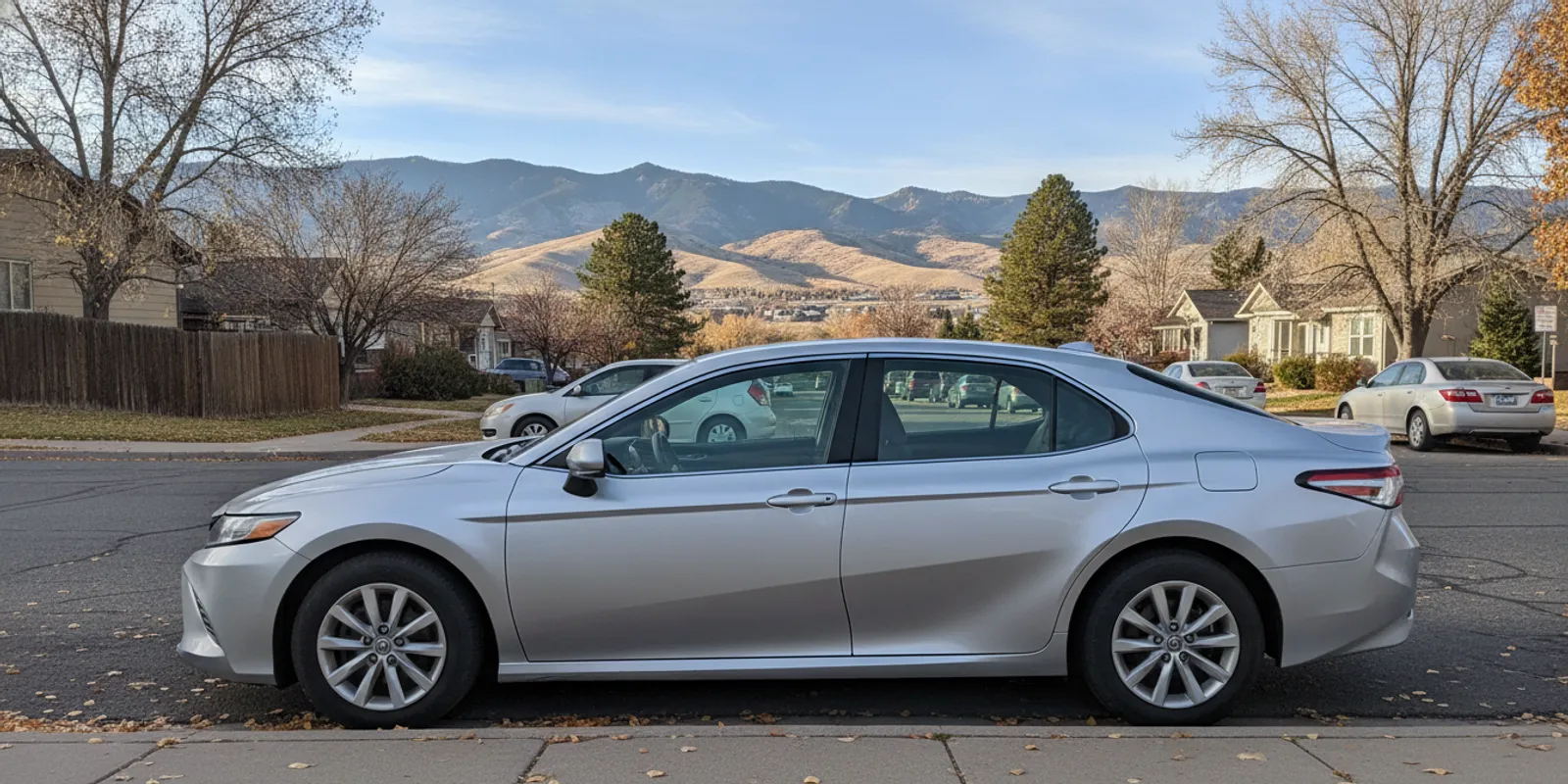
When searching for a used Honda Accord for sale Denver shoppers should compare the specific car, not rely on the model name alone. Year, trim, installed equipment, mileage, maintenance information, present condition, and total ownership costs all affect whether a particular sedan fits your daily life. The best first step is not choosing a favorite listing; it is defining what the car must do for you and then checking each candidate against the same practical questions.
Ask a question or arrange a visit
Start with the way you will use the Accord
Before you browse, write down who will ride with you, what you usually carry, and where you drive most often. A car used mainly for a solo commute has different priorities from one used for family errands, regular highway trips, or frequent passenger travel. Put your needs in two columns: must-haves and preferences. This simple exercise makes it easier to distinguish a real requirement from a feature that merely looks appealing in a listing.
- Estimate how many people usually ride with you and whether rear-seat access matters.
- List cargo you carry routinely, such as work bags, groceries, sports equipment, or child seats.
- Consider parking at home and work, including the space available for a sedan.
- Choose features you will use often, such as phone connectivity, seat adjustments, or a particular climate control.
- Set a total budget that includes insurance, registration, fuel, maintenance, and possible repairs, not only a monthly payment.
Make each priority testable. Instead of writing "comfortable," note what comfort means for you: enough room for a rear-facing child seat, supportive front seats during a longer drive, or controls you can reach without searching. Instead of "good technology," list the phone connection or display function you expect to use. You can then check those items in the actual car rather than taking a general description as proof.
Separate deal-breakers from preferences before you view listings. If a feature is essential, do not treat an unverified listing description as confirmation. If it is optional, decide in advance what trade-off you might accept. This gives you a consistent standard when two cars differ in age, mileage, equipment, or condition.
It can help to make the list short. A page of ten must-haves may leave you unable to prioritize. Choose the three that affect daily use most, then keep secondary preferences in a separate section. For example, a commuter might rank reliable fit for a regular route, comfortable seating, and a total budget above a particular wheel design. A household that often carries passengers might put rear-seat access and cargo fit higher. Your list should reflect your own week, not a generic idea of what an Accord ought to be.
How should you begin a Denver-area search?
Use the current pre-owned inventory as a place to review listed vehicles, then confirm details for any specific candidate before making plans. Inventory changes. A model search or general page does not establish that a particular Accord is currently listed or remains available. Check the individual listing and contact the dealership if you need confirmation before traveling.
When comparing listings, capture details in the same format. Record the year, trim as listed, mileage, equipment stated, price and fee disclosures if shown, and any condition or history information provided. Note where each detail came from. A photograph may show that a feature appears to be present, but it cannot confirm how that feature works or whether service records exist.
Build a shortlist of two or three candidates rather than relying on memory. If only one suitable car appears in a search, keep your needs list and comparison worksheet anyway. It will help you assess that candidate against your budget and routine instead of assuming that a limited set of choices makes any one vehicle a fit. Save the listing details and the date you reviewed them, since information can change.
Think of a listing as the start of a conversation, not a complete inspection report. "Not stated" is a useful note. It keeps an unknown visible and gives you a clear question to ask. If the mileage is shown but maintenance history is not, record those separately; do not infer a complete service history from a clean presentation or polished photographs.
How should model year shape your shortlist?
Model year is a useful filter, but it does not tell the whole story. Design, equipment, powertrain, and available safety features can differ by year and configuration. Confirm the exact year and details of the car you are considering. Do not assume that a trim name or a general description proves that a feature is present on that vehicle.
Age and condition are not interchangeable. A newer vehicle may have higher mileage or limited records. An older car may have lower mileage but still need age-related service. Compare year alongside odometer reading, documented use, visible wear, driving behavior, and available maintenance information. You are evaluating one particular car, not awarding a score to its model year.
Keep unknowns visible in your notes. Write "confirm driver-assistance equipment" rather than recording a guess as fact. If a listing does not identify a particular feature, ask about the exact car or verify it during a viewing. That small step avoids building expectations around an assumption.
When you compare different years, start with your must-haves. If a newer year costs more, ask what concrete differences matter to you and whether they are confirmed on that vehicle. If an older year seems appealing, consider whether its condition, history, and expected upcoming needs fit your budget. No year is automatically the right choice without vehicle-specific details.
A useful year-to-year comparison has three parts. First, confirm identity and configuration from the vehicle details available to you. Second, list differences that actually matter in your routine, such as a feature you use or a control layout you prefer. Third, compare the evidence and costs for the individual cars. Do not pay more for a feature you do not need merely because it appears on a newer listing, and do not dismiss an older candidate without considering its documented condition and practical fit.
What do trim and equipment tell you?
Trim names can signal differences in comfort, technology, and convenience. However, equipment varies by year and configuration, and a listing may not include every option. Make a short checklist of the features that matter and verify each one in the actual car.
During a viewing, try the controls you expect to use. Check seat adjustments, climate settings, display and audio controls, and phone connection if relevant. Ask how a particular package or feature is confirmed. Treat an item as unverified until you see it or receive clear information about that vehicle.
Check practical details as well as headline features. Sit in each seating position you expect to use. See whether child-seat installation seems workable for your needs, whether rear passengers can enter comfortably, and whether the trunk opening and shape suit the items you carry. These checks are more useful than assuming that all Accords with the same name will feel identical.
Compare your checklist with what the car can demonstrate. If phone connectivity matters, ask to pair your phone or test the relevant function. If heated seats are a must-have, locate the controls and confirm that they operate. If a safety feature matters, ask how its presence is verified and review the vehicle information rather than guessing from the trim label. You need not test every possible option; focus on the ones that influenced your shortlist.
| Comparison point | What to verify | Why it matters |
|---|---|---|
| Year and configuration | Exact year and vehicle details | Specifications and equipment can differ. |
| Trim and options | Features installed on this car | A trim label may not confirm every desired item. |
| Mileage and use | Odometer and available history | Usage adds context for wear and service questions. |
| Condition | Interior, exterior, tires, indicators, and driving behavior | Photos cannot answer every hands-on question. |
| Records | Service documents and history information | Sources document different parts of a vehicle's past. |
| Ownership cost | Current terms and estimated ongoing costs | A payment is only one part of a budget. |
Which powertrain and drivetrain details should you verify?
Do not infer an engine, transmission, or drivetrain from the Accord name alone. Confirm specifications for the exact year and vehicle. If fuel use or driving feel matters to you, compare the documented configuration and test-drive the candidate when possible. Do not apply another Accord's specifications to the car you are evaluating.
Ask what fuel the vehicle requires and where to find that information in the owner's materials or vehicle documentation. If you have a regular commute, estimate fuel expense using your own expected miles and local costs rather than relying on a generic figure. Your use pattern matters: stop-and-go trips and longer highway drives may produce different results from a standardized estimate.
On a drive, notice startup, acceleration, shifting, braking, steering response, unusual sounds, vibration, or warning indicators. A brief drive cannot reveal every issue. Treat it as one part of your evaluation, not a substitute for a qualified inspection. If a particular behavior concerns you, describe when it happened and ask how it can be checked.
Be precise about the questions you ask. "Is this the configuration shown in the listing?" is clearer than asking whether the car is "the good one." If a specification affects your decision, request confirmation for this vehicle. If you do not understand a term in the listing, write it down and ask for an explanation rather than applying a specification from a different model year.
How do you compare mileage, age, and condition?
Mileage is one data point, not a verdict. Consider it alongside age, wear, driving behavior, and records. Ask whether the odometer reading appears consistent with the history information and service documents you can review. Mark gaps as unknowns rather than making assumptions about the car's past.
Walk around the vehicle in good light. Look for differences in paint or panel alignment, cracked glass, uneven tire wear, signs of moisture, and unusual odors. Check whether doors, windows, lights, seat adjustments, climate controls, and other important equipment operate. These observations are not a mechanical diagnosis; they help you ask better questions.
Look at tire condition and whether wear appears even across the tires. Ask when tires or other visible wear items were last addressed if that information is available. Check that the dashboard has no unexplained warning indicators after startup. If you notice a concern, record it precisely instead of translating it into a diagnosis: "the steering wheel vibrated at highway speed" is more useful than "the suspension is bad."
Royal Automotive describes a pre-sale inspection process for its vehicles. Ask what information is available about the specific car's inspection and condition. An inspection description does not promise that a used vehicle will be free of future repairs or establish that it is certified. If you want an independent assessment, ask whether one can be arranged before purchase.
Plan the inspection discussion before you arrive. Ask what was checked, whether paperwork or findings are available, and whether you may arrange a qualified independent evaluation. If an issue is identified, understand what it means for your intended use and budget before deciding. Do not assume that a general inspection statement resolves every question about a used car.
Use a repeatable walk-around rather than looking wherever your eyes happen to land. Start at one corner and move around the exterior, checking each panel, lamp, wheel, and glass surface. Then inspect the cabin in a fixed order: driver controls, front passenger area, rear seating, cargo space, and visible warning indicators. A routine makes it less likely that you will forget an important observation when you are focused on a feature you like.
Give every observation a neutral description. "Small mark on rear bumper," "tire wear appears uneven," or "climate control did not respond on first try" are useful notes. Do not label a vehicle's mechanical condition from a quick visual check. Ask what can be confirmed, and decide whether a qualified professional should assess the point before you proceed.
What should you check during a test drive?
Adjust the seat and mirrors while parked and make sure the view and controls work for you. If other household members will use the vehicle, consider their comfort and access too. Choose a safe route that lets you assess low-speed behavior and, where practical and legal, travel at a faster speed.
- At startup, note warning indicators and unusual sounds.
- At low speed, assess steering response and braking feel.
- On a faster road, notice acceleration, cabin noise, and consistent response.
- While parked, test ordinary controls such as lights, windows, and climate settings.
- Afterward, note any warning light, odor, sound, or question that appeared during the drive.
Keep the route and observations consistent across candidates. For example, if you assess one car on a short neighborhood loop and another on a longer road drive, your impressions may not be directly comparable. You do not need an elaborate route; simply allow enough time to sit in the car, test ordinary controls, and notice how it behaves under conditions you can safely experience.
If something feels wrong, describe what happened and ask how it can be checked. Do not treat a short drive as proof that no mechanical concern exists. A qualified inspection can offer a more thorough assessment. If the car is intended for a regular passenger, let that person test seating and visibility too, provided the visit and drive arrangements allow it.
A simple test-drive note can separate impressions from facts. Write down the route conditions, whether the car was cold or already running when you arrived, what you noticed during acceleration and braking, and any controls you tested. Avoid writing "drives perfectly" after a short loop; that phrase can overstate what you learned. "No unusual sound noticed on this route; still want to ask about the maintenance record" is more careful and more actionable.
Consider doing one pass without conversation if you can do so safely and appropriately. It may help you notice road noise, seat comfort, mirror visibility, and controls. Then park and discuss questions. The point is not to diagnose a car from a drive, but to discover whether your ordinary use feels comfortable and to identify issues that deserve follow-up.
How are vehicle history and service records different?
A vehicle-history report may include reported events, title details, or ownership information, depending on its data. Service records may document repairs or maintenance performed by a shop or owner. Neither source is necessarily complete, and a report without a listed incident does not prove that a vehicle has never had a problem.
Review dates and mileage, and look for recurring entries or gaps that need explanation. Ask about paperwork you do not understand. Keep observed facts separate from interpretations: "invoice dated May, odometer shown as 42,000" is more precise than calling a car fully maintained without supporting evidence.
If a record shows an interval with no paperwork, that is an unanswered question, not automatic proof of neglect. Ask whether other documentation exists and compare any dates and mileage you can verify. Conversely, a thick folder of receipts does not on its own establish current condition; the documents need to match the vehicle and be read alongside a hands-on evaluation.
Take notes about what each source can and cannot tell you. A history report is not the same as a full mechanical assessment. A service invoice may show that work was performed but not the car's complete condition today. Combine documentary details with the vehicle's current behavior and, if appropriate, an independent inspection.
When you receive documents, check that they refer to the specific vehicle and note dates and odometer readings. If one source lists a repair while another does not, ask whether the sources cover different periods or types of information. A missing entry in a report may reflect incomplete reporting, while an invoice may describe only a particular visit. Your goal is to understand the evidence, not to assume that any one document answers every question.
It can be useful to sort records into three groups: what they clearly establish, what they suggest but do not confirm, and what remains unanswered. An invoice can establish that a named service was recorded on a particular date; it may not establish the car's condition now. A report can show information reported to its provider; it may not include every event. This approach keeps the decision grounded in what the documents actually say.
How should you compare price and ownership costs?
Compare vehicles only after confirming year, trim, equipment, mileage, condition, and included options. A price difference alone does not show which car is the better fit. Verify current listing details and request applicable fees and purchase terms in writing. Do not treat a phone estimate as a final out-the-door figure.
Make a cost worksheet for each candidate. Put the current written vehicle terms at the top, then add expenses that apply to your circumstances: insurance, registration and taxes, fuel, routine service, tires, and work identified during evaluation. Keep one-time costs separate from recurring costs so you can see what is due at purchase and what you may need to plan for later.
For financing, review the actual amount financed, down payment, rate, term, and total payments when terms are presented. A monthly payment alone can hide the total cost. Financing availability and terms depend on the application and lender; no outcome is guaranteed. Royal's financing information explains its application path. Since an application requests sensitive information, review the privacy policy before submitting details. A Spanish-language application is available through the Spanish credit-application page. That page does not establish that every interaction is available in Spanish; ask about support you need.
Use the same calculation for every car. Suppose Candidate A has a lower listed amount but needs tires soon, while Candidate B costs more initially but has documentation of recent tire replacement. Record the evidence and estimate costs you can reasonably establish. Do not invent a repair amount; ask for a qualified assessment or written estimate when needed. The point is to compare the full picture, not assume that the lowest listed amount is the least costly choice.
Build the worksheet in layers. In the first layer, record the vehicle's current listed terms and any fees disclosed with them. In the second, list one-time costs that you can confirm, such as taxes, registration, or a specific repair estimate. In the third, estimate recurring costs that depend on your use, such as fuel and insurance. Keep confirmed figures separate from estimates. If you do not yet have an insurance quote, leave that cell marked "to check" rather than entering a guess that makes one car look cheaper.
For example, imagine two candidates that otherwise meet your needs. Candidate A appears less expensive in the listing, but you have not confirmed whether its tires will need replacement. Candidate B has a higher listed amount and documentation that tires were recently addressed. The fair comparison is not "A is cheaper" or "B is better"; it is to request current written terms, clarify A's tire condition, and obtain estimates where a cost remains uncertain. Then compare both against the amount you are prepared to spend now and the reserve you want for future care.
If financing is part of your plan, compare complete written terms rather than a payment alone. A longer term can change the monthly figure and the total paid. Ask what is included in the figures you receive and whether the terms are conditional. Keep financing questions separate from the car's condition questions: a vehicle can fit your needs while the financing terms do not, or the reverse. You can review the dealership's financing page for the application route, but actual terms depend on the application and lender.
What should you ask before visiting?
A short call or message can make a visit more useful. Listings and availability may change, so confirm current information before traveling. Ask about the specific vehicle rather than relying on general model assumptions.
- Is the exact vehicle currently listed, and can its status be confirmed?
- What year, trim, mileage, and equipment are recorded?
- What inspection or condition information can I review?
- Are service documents or history information available?
- Can I arrange a test drive, and what should I bring?
- What fees and purchase terms should I review in writing?
- If I have a trade, what vehicle information is useful for that discussion?
Send questions through Royal Automotive's contact page. If you may sell or trade another vehicle, review the sell-or-trade information and ask what details to bring. Useful information may include the trade vehicle's year, make, model, mileage, condition, and available ownership documents; the dealership can clarify what it needs for your situation.
You can make your first message concise and specific. Include the model year or listing identifier if you have it, then ask only the questions that affect whether you will make the trip. For instance: "Could you confirm the current status of this listing, its mileage, and whether service information is available? I would also like to ask about arranging a test drive." A direct question is easier to answer than a broad request to describe everything about the car.
If you are considering a trade, prepare the basic details separately from the Accord questions. Note your vehicle's year, make, model, mileage, visible condition, and whether you have its ownership documents. Do not assume an early conversation establishes a final trade value. Ask what the dealership needs to review and compare any eventual written terms with the overall purchase plan.
How can you compare Accord candidates side by side?
Record verified facts and unknowns for each car as soon as you review it. After several viewings, details can blur together. Use the same worksheet for every candidate, then compare the results against priorities you set before searching. Do not fill a blank with a guess: write "not confirmed" and give it a next step.
| Item | Candidate A | Candidate B | Next step |
|---|---|---|---|
| Year, trim, equipment | Record verified details | Record verified details | Confirm unknowns |
| Mileage and records | Note odometer and documents | Note odometer and documents | Ask about gaps |
| Condition and drive | Record observations | Record observations | Consider qualified evaluation |
| Price and costs | Record current written terms | Record current written terms | Compare total cost |
| Fit for routine | List benefits and drawbacks | List benefits and drawbacks | Revisit must-haves |
Here is a practical way to use the worksheet. Candidate A has a preferred convenience feature but limited service paperwork. Candidate B has more records but lacks that feature. First ask whether the feature is truly essential. Then find out whether the gap in Candidate A's records can be clarified, and whether Candidate B's equipment limitation can be lived with. If either unknown affects a must-have or a major cost, make resolving it a condition of moving forward.
You can add a simple confidence label beside each entry: confirmed, observed, reported, or unknown. "Confirmed" might mean the feature is visible and working; "observed" describes your own inspection or drive; "reported" marks information supplied in a listing or conversation; "unknown" means you still need an answer. This avoids treating every note as equally certain.
For a fair side-by-side comparison, keep the categories identical and record the date you checked the listing. If details change or new paperwork appears, update the entry rather than preserving an old impression. The worksheet is a decision aid, not a substitute for written purchase documents or professional evaluation.
Review listed pre-owned vehicles when assembling a shortlist. The page does not guarantee an Accord is listed or remains available, so verify the specific listing before making a trip.
To make a decision, give each must-have a simple status: met, not met, or unresolved. Then list the trade-offs rather than adding points as if one feature could cancel out every concern. If a vehicle misses a must-have, the reason should be clear. If it has an unresolved issue, write the exact action needed, such as reviewing a record, confirming equipment, or arranging an evaluation. That makes your next step concrete instead of leaving you with a vague feeling that you need to "think more."
How do you decide whether the Accord fits your household?
Sit in the front and rear seats, check entry and exit, assess visibility, and see whether the trunk accommodates ordinary cargo. Bring household members whose comfort matters. Think about the routes you actually drive around Denver and the surrounding area, including seasonal conditions, and check whether the car's confirmed equipment meets your needs.
Consider your routine in concrete terms. If you make frequent short trips, think about ease of entry, parking, and visibility. If you travel with passengers, check rear-seat space and access with the people who will use it. If your commute includes longer stretches, assess seat comfort, noise, and controls during a suitable test drive. These are personal fit questions, so your own experience is more useful than a general claim about a model.
If you regularly carry more passengers or cargo than the car comfortably handles, compare other body styles. After a test drive, ask whether everyone is comfortable, essential features are present, the car behaved as expected, and records and terms are clear. A "not sure" answer points to a next step, such as another viewing, further documentation, or inspection.
Try to recreate ordinary use without turning the visit into a complicated test. Sit where each regular passenger would sit. Place a typical bag or piece of equipment in the cargo area if practical. Adjust mirrors and seat position as you normally would. If the car feels awkward in a way you cannot resolve, record what felt wrong and compare that observation with another candidate rather than dismissing your own experience.
Think about seasonal driving as a planning question, not a reason to assume a particular car will perform in every condition. Confirm the actual equipment on the vehicle and consider the routes you regularly take. If winter tires, traction, or ground clearance matter to your routine, verify what is fitted and whether the car's configuration suits those roads. Avoid relying on a broad model label to answer a vehicle-specific question.
What if the first Accord you see is not the right fit?
Do not force a decision because you have already invested time in a viewing. Return to your must-have list and note exactly where the vehicle falls short. A missing convenience feature may be acceptable; a seating, budget, documentation, or condition concern may call for more investigation or a different candidate.
If you decide to broaden the search, preserve the needs that led you to consider an Accord. You may find that the important requirement is a comfortable sedan, a particular equipment feature, or a budget range-not necessarily one model. Review current listings without assuming another vehicle is equivalent, and evaluate each on its own configuration and condition.
For trade-in planning, compare your options separately from the replacement car. Gather basic information about your current vehicle and clarify how its value, if discussed, would affect the written terms for the next purchase. Do not treat an early estimate as final until the dealership has reviewed the vehicle and provided applicable terms. The sell-or-trade page is a starting point for that conversation.
If you broaden your search to another body style, carry over the same needs list but revise the questions. A sedan, SUV, or truck can differ in seating, cargo access, parking needs, and equipment. Compare the actual vehicle rather than treating a change in model as a shortcut around condition or cost checks. Royal's about page describes the dealership's pre-owned vehicle focus and inspection process; ask what information applies to any particular car you consider.
How do you build a focused shortlist?
Start with a realistic total budget and a short list of must-have features. Compare each candidate's actual equipment, condition, records, and ownership costs. Confirm listing details before traveling and arrange a test drive for vehicles that remain strong matches. If you may sell or trade, gather your vehicle's year, make, model, mileage, and available ownership details, and ask what is useful for the discussion.
Before you decide, review the evidence one last time: Which details are verified? Which remain reported or unknown? Have you reviewed written terms rather than relying on a payment estimate? Have you considered an independent evaluation where appropriate? If a key question remains unresolved, pause and ask it before committing.
Keep the next steps in order. First, check current listings and shortlist only cars that appear to meet your basic needs. Second, confirm status and important details before travelling. Third, review records and arrange a visit or test drive. Fourth, compare costs and written terms after you have enough information. This sequence avoids spending time on a car that fails a basic requirement and makes the in-person visit more productive.
If financing is relevant, you can review the financing information and ask about the application path. The application requests sensitive information, so submit details only after reviewing the page and understanding the process. A Spanish-language application is linked from the dealership's site, but do not assume every follow-up interaction is available in Spanish; ask which support options are available for your needs.
Contact Royal Automotive with your questions
Keep verified facts separate from assumptions and proceed only when the specific vehicle, records, and written terms fit your needs.