Used GMC Terrain reliability and common problems: Buyer tips
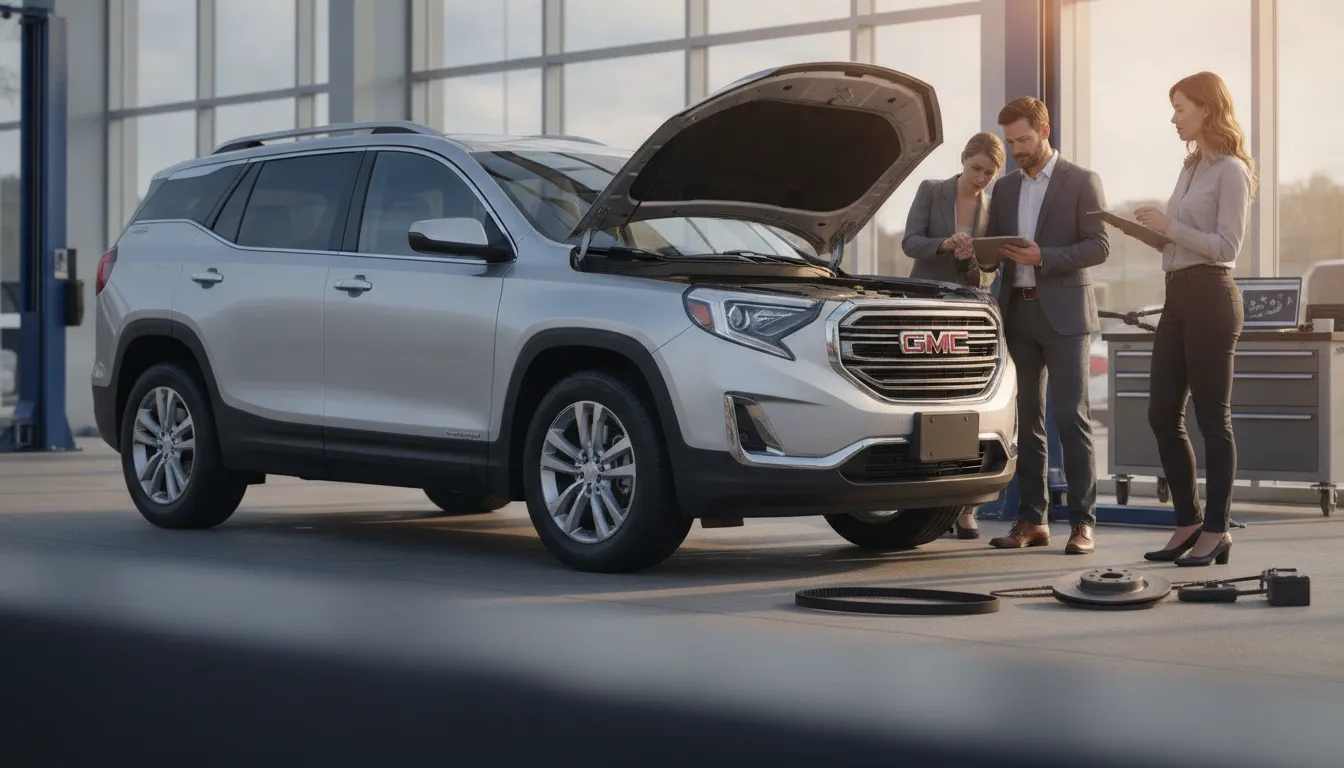
A clean exterior and a comfortable test-drive are good signs, but they donu2019t reveal a used SUVu2019s full history. Before choosing a GMC Terrain, take time to check its service records, warning lights, recalls, and how it handles on the road. Researching used GMC Terrain reliability and common problems gives you a clearer idea of what to ask about, including reported engine, transmission, HVAC, and electrical concerns. These reports donu2019t mean every Terrain will have the same issues. The individual vehicleu2019s care and condition matter. This guide explains what to look for by model year, how to prepare for an inspection, and how Denver-area shoppers can compare available vehicles and financing options.
Key Takeaways
- Review the Terrainu2019s individual history: Compare its mileage, maintenance records, model year, and documented repairs rather than relying on general reliability ratings.
- Check reported problem areas before buying: Test the engine, transmission, HVAC, and safety features, then arrange an independent inspection with a qualified mechanic.
- Plan for the full cost of ownership: Include maintenance, potential repairs, tires suited to local conditions, and financing or trade-in details in your budget.
How reliable is a used GMC Terrain?
A used GMC Terrain may suit drivers looking for a compact SUV, but reliability can vary from one vehicle to another. Ratings and owner reports can help set expectations; the Terrainu2019s maintenance history, mileage, and current condition are just as important. Use all of these details to assess a vehicle before you buy.
Check reliability ratings, owner reports, and maintenance records
RepairPal rates the GMC Terrain 3.5 out of 5.0 and ranks it 22nd among 26 SUVs in its category. That rating suggests a mixed reliability record, so itu2019s worth looking closely at the individual vehicle rather than relying on the modelu2019s reputation. Read the Terrain reliability rating and common-problem overview to learn what owners may encounter.
Owner experiences differ. Some drivers describe years of trouble-free use, while others report problems, as seen in this discussion among GMC Terrain owners. Ask the seller for service records, then check for regular oil changes, scheduled maintenance, and paperwork for repairs. Missing records donu2019t prove a vehicle was neglected, but they make its history harder to verify.
Compare same-year Terrain models with similar compact SUVs
Compare a Terrain with compact SUVs from the same model year, such as the Honda CR-V, Toyota RAV4, or Ford Escape. Consider mileage, features, ownership history, and asking price, and look up reliability information for each vehicleu2019s specific year and engine. This helps you compare the actual options in front of you rather than relying on a general impression of each brand.
A well-maintained Terrain may provide dependable service beyond 100,000 miles, while newer model years may be a better starting point, according to this GMC Terrain reliability guide. That doesnu2019t make every newer SUV a safer buy. Compare maintenance records and vehicle condition, and arrange an inspection before you decide.
Consider condition, mileage, engine, and service history
Mileage is useful context, but it doesnu2019t tell the whole story. A higher-mileage Terrain with consistent maintenance records may be a better option than a lower-mileage one with an unclear history. Ask which engine the vehicle has, check for warning lights and unusual noises, and have a qualified mechanic inspect it before purchase.
With proper care and scheduled maintenance, a Terrain may last up to 300,000 miles or about 20 years, but that estimate is not a promise. Follow the owneru2019s manual, keep up with oil changes, and address warning lights promptly. If youu2019re comparing local options, browse Royal Automotiveu2019s used inventory in Englewood and ask about available service records for any Terrain youu2019re considering.
What common GMC Terrain problems should buyers know about?
A reported problem is a reason to inspect a used GMC Terrain carefully, not proof that every vehicle will have the same issue. Model year, mileage, maintenance, and past repairs all matter. Ask the seller about symptoms and repairs, review service records, and pay attention during your test-drive. If a warning light is on or something feels off, have a qualified mechanic check it before you buy.
Engine issues, including oil consumption, stalling, and damage
Some Terrain owners have reported excessive oil consumption, stalling, loss of power, and serious engine damage. A GMC Terrain reliability overview notes that engine concerns have been reported at different mileages, including some between about 52,000 and 108,000 miles. These reports donu2019t predict what will happen to a specific vehicle, but they make maintenance records especially important.
Ask whether the engine has been repaired or replaced, and look for regular oil-change records. During your test-drive, watch for rough running, hesitation, smoke, or a check-engine light. Ask a mechanic to check the oil level and diagnose any warning lights before you decide.
Transmission hesitation, hard shifts, and jerking
Some owners report hesitation, rough or hard shifts, and jerking or lurching while driving. These symptoms may stand out when accelerating from a stop, changing speed, or shifting between drive and reverse. A GMC Terrain reliability guide describes these complaints, but each vehicleu2019s condition and service history can differ.
Test-drive the Terrain at low and highway speeds. Notice delayed engagement, unexpected jolts, or engine revs that rise without a smooth increase in speed. Ask whether the transmission has been serviced or repaired, and request any related records. If shifting feels inconsistent, arrange an inspection before you buy. A mechanic can assess the symptoms and estimate any recommended work.
HVAC issues, including weak heat, cold air, and unusual odors
Reported heating and cooling concerns include weak or inconsistent airflow, cold air when the heater is on, water leaks, and unusual odors. Some reports describe HVAC symptoms at around 61,000 miles, according to CarParts.comu2019s Terrain problem overview. A clogged drain hose can contribute to water inside the vehicle, though an inspection is needed to identify the cause.
Test the heater and air conditioning separately, and try every fan setting. Check for damp carpets, visible moisture, or persistent odors inside the cabin. Ask whether the HVAC system has been serviced. If airflow is weak, the temperature doesnu2019t respond as expected, or you find moisture, get a mechanicu2019s assessment and repair estimate before moving forward.
StabiliTrak warnings and erratic engine behavior
Some owners have reported stalling, jerking, weak acceleration, erratic engine behavior, or shutdowns alongside check-engine or StabiliTrak warning lights. Reports include symptoms around 50,000 miles, but that doesnu2019t establish when or whether a particular Terrain will have the same issue. Treat a warning light or unexpected change in engine performance as a reason to investigate.
During the test-drive, check the dashboard and note whether the Terrain accelerates smoothly and handles consistently. Ask the seller about past warning lights, diagnostic checks, and repairs, and request relevant records. A light that has turned off doesnu2019t confirm that the underlying concern is resolved. Have a qualified mechanic scan the vehicleu2019s systems and explain any stored codes before you buy.
Airbag, seat belt, and electrical issues
Safety restraint concerns deserve close attention. Reports involving some Terrain vehicles include airbags that may not deploy in a crash, sometimes without a warning light, and seat belts that locked during a crash. Since recall status and completed repairs depend on the vehicleu2019s VIN, use the NHTSA recall lookup and ask for documentation of any recall work.
Check the airbag and seat belt warning lights when you start the vehicle, and test that each seat belt extends, retracts, and latches properly. Also check that dashboard displays and electrical controls work as expected. If a warning remains on, a belt doesnu2019t function smoothly, or recall status is unclear, have the vehicle inspected before buying.
Which GMC Terrain years should buyers check closely?
Reports of problems can help you decide what to inspect, but they donu2019t tell you how a specific GMC Terrain has been maintained or how it will perform. Use the model year as a prompt to ask focused questions, review service records, and arrange an independent inspection. A vehicleu2019s condition, mileage, and repair history matter just as much as its year.
2011: Check for rough shifts, stalling, and transmission trouble
Pay close attention to how a 2011 Terrain shifts during your test drive. Owners have reported jerking, hard shifts, hesitation, and stalling. These symptoms can have several causes, but repeated or worsening behavior deserves a mechanicu2019s attention.
Drive at different speeds, accelerate and slow down smoothly, and listen for clunks or changes in engine speed. Ask whether the transmission has been repaired or replaced, and request receipts for any work. Auto Fanatics USAu2019s Terrain reliability guide notes reports of transmission failure around 88,000 miles. Treat that mileage as an owner-reported example, not a prediction for every vehicle. If the SUV hesitates, slips, or shifts harshly, get a diagnostic inspection before you consider buying it.
2013: Look for oil consumption, stalling, and engine damage
With a 2013 Terrain, ask how often the owner checked or added engine oil between scheduled services. Reports for this model year include excessive oil consumption, stalling, loss of power, and engine damage. Review oil-change records, check the dipstick, and look for signs of leaks around the engine.
During the test drive, listen for unusual engine noise and watch for warning lights. Ask whether the engine has been repaired or replaced, and request invoices or warranty documents. CarParts.comu2019s overview of common GMC Terrain problems describes reported engine concerns across a range of mileages. Because a brief drive may not reveal an underlying issue, arrange an inspection with a qualified mechanic before making a decision.
2014: Test the heater and air conditioning
Test the heating and air conditioning in a 2014 Terrain instead of relying on the dashboard controls alone. Set the system to heat, then to cold, and try several fan speeds. Give each setting time to respond, and check that air flows from the vents you select.
Reported concerns include weak heating or cooling, cold air when the heater is on, unusual odors, and water leaks linked to a clogged drain hose. Check the footwells for dampness and notice whether the air smells musty when the fan runs. CarParts.com outlines HVAC issues reported by Terrain owners. If anything seems off, ask a repair shop to diagnose the system and estimate the cost. That gives you clear information to consider before negotiating.
2015: Check StabiliTrak and investigate stalling or erratic behavior
Reports for the 2015 Terrain include StabiliTrak warnings, stalling, jerking, weak acceleration, and unexpected shutdowns. These symptoms can have different causes, so donu2019t assume a warning light points to one specific repair. Ask whether the vehicle has had related work and review the service records.
During your test drive, confirm that warning lights turn off after startup and stay off. Choose a safe route with turns, stops, and changes in speed, and pay attention to hesitation or a loss of power. CarParts.comu2019s list of reported Terrain problems notes that some owners experienced issues around 50,000 miles. A mechanic can scan for stored trouble codes, even if the dashboard currently shows no warning.
2017: Confirm airbag and seat belt recalls are resolved
Before buying a 2017 Terrain, check its recall history, especially for safety-related notices involving airbags or seat belts. Reports have raised concerns about airbag deployment and seat belt behavior. Ask the seller for the vehicle identification number (VIN) and documentation of completed recall repairs rather than relying on a verbal assurance.
Use the National Highway Traffic Safety Administrationu2019s VIN recall lookup to check for open recalls on that specific vehicle. The lookup is a useful first step, but it doesnu2019t replace a physical inspection or provide a full repair history. Ask a mechanic to check the restraint system and warning lights. If the airbag light stays on, or a seat belt doesnu2019t retract or latch properly, have the issue diagnosed before you decide whether to buy.
2020 and newer: Judge each vehicle by its condition and service history
Some reliability guides report fewer transmission complaints for 2020 and newer Terrains, but a newer model year doesnu2019t guarantee trouble-free ownership. Mileage, maintenance, prior damage, and driving habits all affect a vehicleu2019s condition. Review service records, check for warning lights, and test major features, including the HVAC, infotainment system, and driver-assistance equipment.
Ask about major repairs and how the SUV was used, and request records to support the answers. An independent inspection can reveal concerns that a clean exterior or short test drive might miss. Auto Fanatics USAu2019s guide recommends assessing newer Terrains individually. Denver-area shoppers can also compare available vehicles in Royal Automotiveu2019s used inventory and ask for details about a specific vehicleu2019s condition and history.
What should buyers budget for GMC Terrain maintenance and repairs?
A GMC Terrainu2019s purchase price is only part of its cost. Set aside money for routine service and keep a reserve for unexpected repairs. The amount youu2019ll need depends on the Terrainu2019s model year, mileage, condition, and maintenance history.
Distinguish routine service costs from unexpected repairs
Routine costs include oil and filter changes, tire rotations, brake service, and other maintenance recommended in the owneru2019s manual. Repairs are harder to predict and may involve the engine, transmission, HVAC, or electrical systems. One estimate puts the Terrainu2019s average annual repair cost at about $558, compared with $521 for compact SUVs overall. It also reports that major repairs make up a larger share of Terrain repairs than the segment average. Use these figures as a starting point, not a forecast for a specific vehicle. A GMC Terrain reliability overview offers more context. Your own budget should reflect the vehicleu2019s age, condition, and inspection results.
Check records for oil changes, transmission work, and past repairs
Ask to review service receipts and look for consistent oil changes, documented transmission service, and repairs tied to the Terrainu2019s model year. Records can show whether a problem was addressed and help identify work that may be due soon. If the history is incomplete, allow extra room in your budget and arrange an inspection before you buy. Ask the mechanic to assess the engine, transmission, HVAC, airbag system, and stability control, as appropriate for that vehicle. Research on common GMC Terrain problems can help you prepare questions, but give more weight to the individual vehicleu2019s records and inspection than to general reports.
Get estimates for any issues before negotiating
If an inspection reveals a leak, warning light, unusual noise, or shifting concern, ask a qualified mechanic to diagnose it and provide a written estimate. That gives you a clearer idea of the likely cost and helps you decide whether to move forward, request repairs, or discuss the price with the seller. Donu2019t assume a warning light is minor or rely on a quick visual check. When considering a vehicle from Royal Automotiveu2019s used inventory, ask what service information is available and review it before setting your final budget. If you plan to finance, account for expected maintenance and repairs alongside your monthly payment.
How can buyers check a used GMC Terrain before buying?
A used GMC Terrain deserves more than a quick walkaround. Start by checking its paperwork, then look over the vehicle and take it for a test drive. Keep the model year, mileage, engine, and maintenance history in mind as you assess its condition. A well-kept Terrain with clear records may be a better choice than a newer one with unanswered questions about its past.
Use several sources to build a fuller picture. A vehicle history report can show reported accidents and title information, but it may not include every repair or incident. Ask the seller about anything unclear, and verify the VIN and recall status yourself. If youu2019re shopping around Denver, you can browse Royal Automotiveu2019s used inventory and ask what inspection or service information is available for a specific Terrain. Before making a decision, have an independent mechanic inspect the vehicle. The steps below can help you spot concerns to discuss with the seller or mechanic.
Match the VIN to the title, vehicle history report, and recall records
Find the vehicle identification number (VIN) on the driveru2019s-side dashboard or door label. Check that it matches the number on the title and the selleru2019s paperwork. If the numbers donu2019t match, ask for a clear explanation before proceeding.
Use the VIN to obtain a vehicle history report and review available accident, title, and ownership details. Then check for open recalls using the National Highway Traffic Safety Administrationu2019s VIN lookup. The lookup can identify recalls that may need attention, but ask the seller for documentation of completed recall repairs. Since reported history may not capture every repair, compare the results with service records and the Terrainu2019s condition. Itu2019s also helpful to research concerns associated with the specific model year, such as those covered in this guide to GMC Terrain reliability and common problems.
Review maintenance records, ownership history, and accident reports
Ask the seller for service receipts and maintenance records. Look for regular oil changes and scheduled maintenance, along with documentation of major work involving the engine, transmission, HVAC, or safety systems. Records can help you see how the Terrain was maintained and whether important repairs were completed.
Review the vehicle history report for ownership changes and reported accidents. Ask about anything thatu2019s unclear, and check whether the selleru2019s explanation matches the available paperwork. A history report may not include work that wasnu2019t reported, so use it alongside a physical inspection rather than as a substitute. If records are missing, ask when the work was done and who performed it. The CarParts.com overview of Terrain problems also recommends asking about the vehicleu2019s repair and maintenance history before buying.
Check for leaks, warning lights, uneven tire wear, and past damage
Park the Terrain on level ground and look underneath for fresh fluid spots. Check the engine bay for signs of leaks, and inspect the tires for uneven wear, which can signal alignment or suspension concerns. Walk around the vehicle to look for dents, mismatched paint, damaged glass, and panel gaps that could point to previous repairs.
Turn the ignition on and confirm the dashboard warning lights appear during startup. Once the engine is running, check whether any remain lit. Note unusual smells or sounds, and donu2019t assume a warning light is harmless. Ask the seller about anything you find, then have a mechanic assess it before you buy. CarParts.comu2019s Terrain reliability guide advises addressing warning lights, unusual noises, and changes in performance promptly.
Test the HVAC, infotainment, stability control, and safety systems
Try the air conditioning and heat at several temperature settings. Check that the fan works at different speeds, and listen for unusual noises or notice any musty or sweet odors. Test the infotainment screen, speakers, Bluetooth, and other features included with the vehicle to make sure the controls respond as expected.
Check the dashboard for unresolved StabiliTrak, airbag, or other safety-system warnings. Test the seat belts, power windows, door locks, and exterior lights, too. Donu2019t try to trigger safety features yourself. If a warning appears or a system doesnu2019t work, ask for repair records and have a qualified mechanic diagnose it. Auto Fanatics USAu2019s Terrain reliability guide recommends checking the infotainment system and Bluetooth, as well as watching for smooth transmission shifts during a test drive.
Test-drive at city and highway speeds; listen for shifting issues and unusual noises
Begin on local streets and notice how the Terrain accelerates, brakes, steers, and shifts from a stop. The transmission shouldnu2019t hesitate, jerk, or shift harshly. Listen for knocking, rattling, whining, or other sounds, and note any changes in performance. If a warning light appears or the vehicle behaves unexpectedly, stop somewhere safe and discuss it with the seller.
If traffic and road conditions allow, include highway driving to assess acceleration, stability, and cabin noise at higher speeds. Drive at a range of speeds without making abrupt maneuvers. For a 1.5-liter turbo model, consider whether its highway acceleration suits your needs, as Auto Fanatics USA notes in its buying guide. A test drive can reveal symptoms, but it wonu2019t diagnose their cause. Write down concerns and share them with a mechanic before deciding.
Arrange an independent pre-purchase inspection
Before you commit, arrange an inspection with a mechanic who is independent of the seller. Share the vehicle history report and mention any concerns from your walkaround or test drive. Ask the mechanic to assess the engine, transmission, HVAC, brakes, tires, suspension, and relevant safety systems. The inspection should reflect the Terrainu2019s model year, mileage, and any symptoms youu2019ve noticed.
Request the findings in writing, including estimates for recommended repairs. You can use that information to decide whether to proceed, ask for repairs, or discuss the price. An independent inspection may uncover issues that arenu2019t obvious during a short drive, even if the vehicle history report looks clear. Auto Fanatics USA recommends a pre-purchase inspection, particularly for 2018 and 2019 Terrain models. If youu2019re considering financing, review Royal Automotiveu2019s financing information alongside the inspection results as you plan your purchase.
What maintenance can help prevent common problems?
A used GMC Terrain benefits from consistent care, and maintenance records can help you see how well a previous owner kept up with it. Use the owneru2019s manual for model-specific guidance, check for changes in how the vehicle runs, and keep a record of every service visit.
Follow the owneru2019s manual for oil, service intervals, and fluid maintenance
Your Terrainu2019s owneru2019s manual lists recommended service intervals and the correct fluids for its model year and engine. Follow those instructions for oil changes, fluid checks, and other routine work. If you donu2019t have the manual, look it up by model year or ask a qualified mechanic to review the vehicleu2019s maintenance history.
General advice sometimes recommends oil changes around every 5,000 miles, particularly for turbo models, but the right interval can vary by engine, driving conditions, and manufacturer guidance. Use the schedule for the specific Terrain rather than relying on a universal rule. The GMC Terrain maintenance guide also recommends keeping up with tire, brake, and fluid checks.
Check oil levels regularly, especially if the vehicle has a history of oil consumption
Check the oil level between scheduled services, following the instructions in your owneru2019s manual. The correct procedure can vary by model, so use the manualu2019s guidance on when and how to check it. If the level drops noticeably between oil changes, have a mechanic investigate the cause instead of only adding oil and waiting for the next service.
This is particularly important if the vehicleu2019s records mention oil consumption or engine repairs. Keep track of when you check the oil and how much you add. Those details can help a mechanic identify a pattern. CarParts.comu2019s GMC Terrain overview recommends regular oil checks for models with a history of oil consumption.
Schedule inspections and investigate warning lights promptly
Keep up with routine inspections, and have warning lights, unusual noises, or changes in performance checked promptly. A check-engine light can have several causes, so a diagnostic scan can help identify the issue. If a StabiliTrak warning appears, ask a qualified technician to inspect the system rather than assuming the warning will clear on its own.
Pay attention to the heating and air conditioning, too. Weak airflow, inconsistent temperatures, or unusual odors are worth discussing with a mechanic. Addressing a symptom early can help you understand what needs attention before it becomes a larger concern. CarParts.comu2019s guide to common Terrain problems covers StabiliTrak warnings and HVAC concerns.
Maintain tires and brakes, and test safety and electronic systems
Check tire pressure regularly and look for uneven tread wear, cracks, or visible damage. Uneven wear may mean the tires need attention or the wheels need alignment. Have the brakes inspected if you hear grinding or squealing, feel vibration while braking, or notice that stopping takes longer than usual.
During routine service, ask the mechanic to check the tires and brakes and confirm that the Terrainu2019s safety and electronic systems work properly. Test dashboard warning indicators, stability control, seat belts, and other features included with the vehicle. Regular checks can catch problems that may not be obvious during a quick walkaround. The Terrain reliability guide recommends monitoring tires and brakes as part of routine care.
Keep receipts and records for all service and repairs
Save receipts for oil changes, inspections, repairs, and replacement parts. Organize them by date and mileage, either in a folder or a digital file, and note any symptoms you reported and the work completed. This makes it easier to track upcoming service and spot gaps in the vehicleu2019s maintenance history.
When shopping for a used Terrain, ask the seller for available records and compare them with the vehicleu2019s mileage. Documentation can help you understand whether routine services were completed and how past concerns were handled. It can also help when you sell or trade in the SUV later. If youu2019re comparing local options, review the available used vehicle inventory at Royal Automotive and ask about inspection and service information for any Terrain youu2019re considering.
What should Denver-area buyers consider when shopping for a used Terrain?
A used GMC Terrain may fit a Denver-area commute or weekend drive, but the right choice depends on its condition, maintenance history, and fit for your budget. Consider how youu2019ll use it, then compare vehicles and review your options before making a decision.
Consider local driving conditions, mileage, and seasonal tire needs
Denver-area drivers may encounter snow, dry pavement, steep grades, and changing weather. Check the Terrainu2019s tires for tread depth, uneven wear, and age, and ask whether theyu2019re all-season, all-weather, or winter tires. All-wheel drive can help with traction, but it doesnu2019t replace suitable tires or careful driving in poor conditions.
Mileage is useful context, but it doesnu2019t tell the whole story. A higher-mileage Terrain with consistent maintenance records may be a better fit than a lower-mileage vehicle with gaps in its history. Ask about oil changes, brake work, and fluid service, and check that maintenance followed the owneru2019s manual. This GMC Terrain maintenance guide highlights the importance of monitoring tires, brakes, and fluids.
Compare inspected vehicles and request repair records
Compare vehicles by model year, mileage, trim, features, and documented condition. Ask for maintenance and repair records, especially for work involving the engine, transmission, HVAC, or stability-control system. Records can help you understand how a Terrain was cared for and point to questions worth asking before you buy. Itu2019s also helpful to research common GMC Terrain problems by model year so you know what to check.
On a test drive, try both city streets and faster roads. Pay attention to shifting, braking, warning lights, and unusual sounds, and test the heat and air conditioning. A vehicle history report offers useful context, but it doesnu2019t replace an inspection by a mechanic. You can also review Royal Automotiveu2019s used inventory and ask about a vehicleu2019s inspection and service history.
Review financing and trade-in options before choosing a vehicle
Set a comfortable budget before settling on a specific Terrain. In addition to the purchase price or monthly payment, account for insurance, fuel, registration, tires, and routine maintenance. If an inspection identifies repairs that may be needed soon, get an estimate and include it in your calculations.
If you plan to finance, compare the interest rate, loan term, and total amount youu2019ll pay. Pre-approval can help clarify your budget before you choose a vehicle. If you have a car to sell or trade in, include its potential value in your plans, but compare offers before deciding. Royal Automotive provides information about financing and pre-approval, and its team can discuss selling or trading a vehicle as you consider your options.
Related Articles
- GMC Terrain Reliability and Common Problems
- GMC Terrain Reliability Guide
- 2024 Chevrolet Equinox AWD LT | Royal Automotive LLC
- 2023 Buick Encore GX Select AWD | Royal Automotive LLC
- 2024 GMC Terrain FWD SLE | Royal Automotive LLC
Frequently Asked Questions
Is a used GMC Terrain a good buy? It can be, provided the specific vehicle has been maintained well and passes an independent inspection. Review its service records, mileage, vehicle history, and condition before deciding.
Which GMC Terrain years should I inspect more carefully? The blog highlights reported concerns for 2011, 2013, 2014, 2015, and 2017 models. These reports are a guide for what to check, not proof that every Terrain from those years has a problem. Inspect any vehicle based on its own history and condition.
What should I check during a GMC Terrain test drive? Pay attention to smooth acceleration and shifting, braking, warning lights, unusual sounds, and how the heating and air conditioning work. If you notice a concern, ask a qualified mechanic to investigate it before purchase.
Should I get a pre-purchase inspection for a used Terrain? Yes. An independent mechanic can check major systems and identify concerns that a short test drive or vehicle history report may not reveal. Ask for written findings and repair estimates before making your decision.
How can Denver-area shoppers find a used GMC Terrain? Browse Royal Automotiveu2019s used inventory in Englewood and ask about the vehicleu2019s inspection and service records. If you plan to finance, review the dealershipu2019s financing options as part of your budget planning.