Used Ford Trucks: How to Choose the Right One
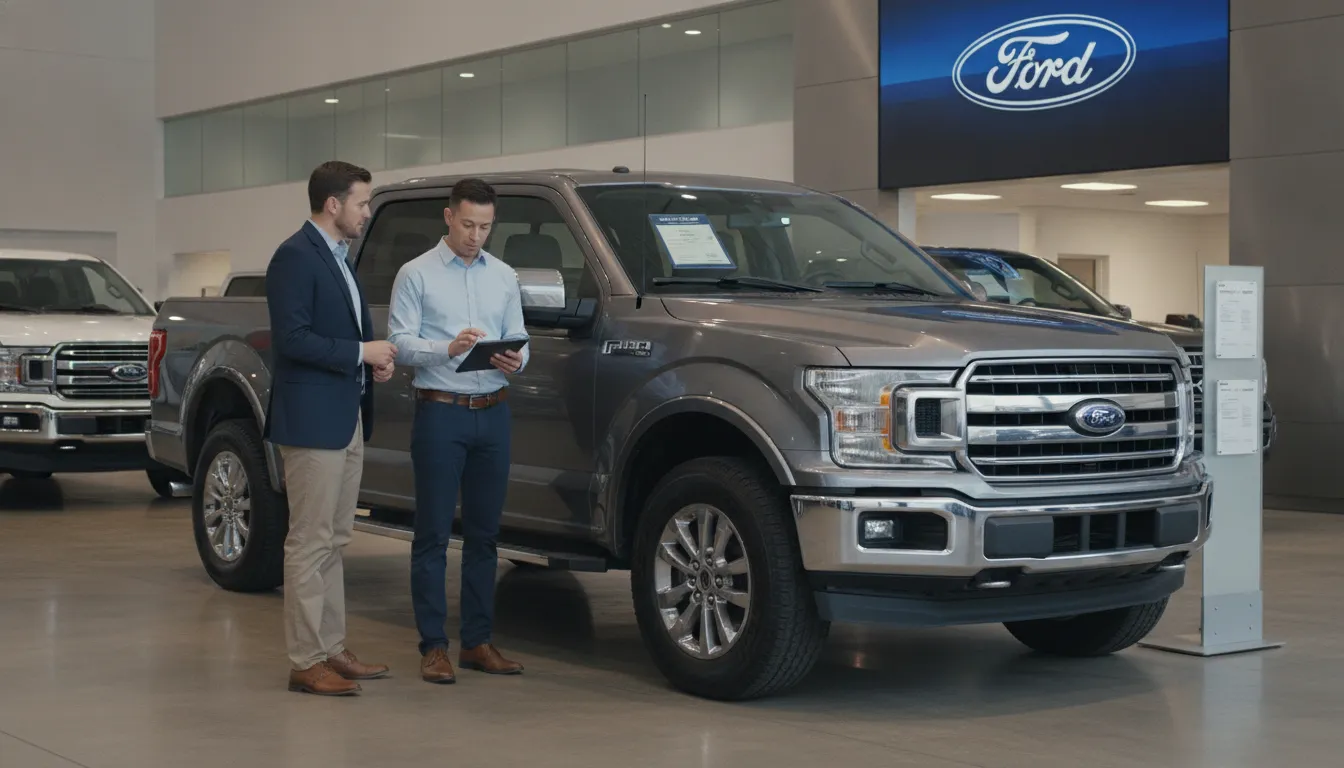
The best truck for your neighbor may not be the best one for you. If you mainly commute and tackle occasional home projects, you may not need the same capacity as someone who tows a trailer or carries equipment for work. When comparing used Ford trucks, consider how youu2019ll use the vehicle, then check its exact configuration, condition, service history, and price. This guide breaks down the key differences among Fordu2019s Ranger, F-150, and Super Duty models and offers practical tips for inspecting a truck and planning for ownership costs. If youu2019re looking in the Denver area, Royal Automotiveu2019s Englewood team can help you check current inventory and answer questions before your visit.
Key Takeaways
- Match the Ford truck to your needs: Compare the Ranger, F-150, and Super Duty based on passenger space, cargo, towing, and everyday use.
- Check each trucku2019s history and condition: Review service records, vehicle history, equipment, and inspection findings; verify towing and payload ratings for the exact configuration.
- Plan for the full cost of ownership: Compare similar Denver-area listings and budget for financing, insurance, fuel, maintenance, and repairs.
Which Used Ford Truck Fits Your Needs?
The right used Ford truck depends on what you need it to do. A truck for commuting, errands, and occasional home projects has different priorities from one that regularly carries a crew, tows a trailer, or hauls equipment. Start by listing how many passengers you usually carry, what you plan to load, and whether you expect to tow. That gives you a practical basis for comparing models and helps you avoid paying for capacity you may not use.
Fordu2019s lineup includes the full-size F-150, midsize Ranger, and heavy-duty F-250 and F-350 Super Duty trucks. Within each model family, cab style, bed length, engine, drivetrain, and trim can affect comfort, capability, and cost. Two trucks with the same model name may have very different equipment, so compare the details of each vehicle rather than relying on the badge alone.
As you narrow your choices, check the manufactureru2019s specifications for the exact model year and configuration. Towing and payload limits vary, and a used trucku2019s condition and maintenance history matter alongside its original capability. You can browse Royal Automotiveu2019s used inventory to see available vehicles, then contact the dealership to confirm listing details.
F-150: Full-Size Versatility
The F-150 is worth considering if you want one truck for a mix of work, family errands, and weekend plans. Depending on its cab and bed configuration, it can offer room for passengers while still leaving space for tools or gear. Owners often praise its power, comfort, and usefulness for both daily driving and work.
When comparing used F-150s, check each trucku2019s engine, cab, bed, drivetrain, and installed packages. A configuration suited to commuting may differ from one equipped for towing or regular job-site use. Consider the trucku2019s size, too, especially if you park in a tight garage or drive on narrow streets. If you rarely tow or carry heavy loads, a well-maintained F-150 with features that match your routine may make more sense than a specialized setup.
Ranger: Midsize Utility
The Ranger offers pickup utility in a midsize package. It may suit you if you want a truck for everyday driving and hauling but prefer something smaller than a full-size model. Before choosing one, consider whether the cabin and bed fit your needs. If you often carry adult passengers or bulky cargo, check the available space in person rather than relying on photos.
Towing and payload figures vary by model year and configuration. For example, Business Insideru2019s Ranger comparison cites 3,500 pounds of towing capacity, or up to 7,500 pounds with a towing package, and a payload figure of 1,860 pounds. Treat these as examples, not limits for every Ranger. Check the specific trucku2019s equipment and manufacturer specifications, and account for passengers and cargo when calculating what it can tow.
Super Duty: F-250 and F-350 for Heavy-Duty Work
The F-250 and F-350 Super Duty are designed for demanding hauling and towing. They may be a fit if your work or regular activities involve heavier trailers, equipment, or loads beyond what a Ranger or F-150 can handle. These trucks are larger than other Ford pickups and may cost more to own, so consider how often youu2019ll use their added capacity.
Capabilities differ by model year, engine, cab, bed, axle ratio, and installed packages. Check the specifications for the exact truck and compare them with the loaded weight of your trailer or cargo. Pay attention to the payload label on the vehicle, too. If you only tow or haul occasionally, a heavy-duty truck may be more than you need. If you rely on its capacity for work, make sure the specific configuration is rated for your regular loads.
Compare Cab, Bed, Engine, and Drivetrain Options
A trucku2019s configuration affects how useful it will be day to day. Cab style determines passenger space, while bed length affects how much room you have for tools, supplies, or recreational gear. If you need to carry passengers and cargo at the same time, compare cab and bed combinations together. A longer bed may be practical for work, but make sure the truck still fits your parking space.
Engine and drivetrain choices matter as well. An engine suited to frequent towing may not be necessary for mostly city driving. Four-wheel drive can be useful for certain roads and conditions, but it may affect purchase price and fuel use. Ford offers several engine and trim combinations across its truck lineup. A Ford Ranger and F-150 comparison can help illustrate the differences between models, but confirm the equipment on the specific used truck youu2019re considering.
Compare Towing Capacity, Payload, and Fuel Economy
Towing capacity is the maximum weight a properly equipped truck can tow under specified conditions. Payload is the weight the truck can carry, including passengers and cargo. These are separate limits, and passengers or gear reduce the capacity available for a trailer. Check the manufactureru2019s specifications and the labels on the truck instead of estimating from the model name or another vehicleu2019s listing.
Fuel economy also matters, especially if you drive long distances or use your truck every day. Actual mileage varies with engine, drivetrain, load, driving habits, and vehicle condition. Compare the EPA estimate for the model year and configuration, then consider how your typical use may affect it. If towing is a priority, compare the trucku2019s rated capacity with the fully loaded weight of your trailer and cargo. Choosing a truck based on the loads you regularly carry, rather than a maximum figure you may not need, can help keep ownership costs manageable.
Compare Trims, Safety Features, and Technology
Trim levels can affect a trucku2019s comfort, convenience, and safety equipment. Depending on the year and configuration, features may include driver-assistance systems, upgraded seating, a larger infotainment screen, or added connectivity. Make a short list of the features youu2019ll use, then check the listing and inspect the truck in person. Equipment can differ between vehicles, even when they share a trim name.
Confirm which safety systems are included and, when possible, check that they work as expected during your visit. A newer model year does not guarantee that a truck has every feature you want, and equipment on older models can vary by package. When comparing prices, consider mileage, trim, condition, and vehicle history together. Compare the individual vehicle rather than year alone. Ask the dealership to clarify any features the listing doesnu2019t specify.
Compare Model Years and Equipment
Model year can affect a trucku2019s available engines, technology, safety features, and design, but it shouldnu2019t be your only consideration. Compare mileage, condition, maintenance records, equipment, and price. A well-maintained older truck may be worth considering alongside a newer one, while a low-mileage vehicle still deserves a careful inspection and history review.
Check the exact model year when researching specifications, recalls, and features. Options can change from one year to the next, and equipment packages may make two trucks from the same year quite different. Confirm that the listing describes the vehicle accurately, and ask for its VIN and service records if you need more information. When comparing trucks in the Denver area, consider how each configuration will work for your regular routes, parking, job needs, and weekend plans.
How Much Do Used Ford Trucks Cost?
Compare Prices by Model, Year, Trim, Mileage, and Condition
Used Ford truck prices depend on more than the model name. Year, trim, mileage, engine, drivetrain, features, and condition all affect what a truck is worth. A basic Ranger and a higher-trim F-150 or Super Duty can have very different prices because they offer different capabilities and equipment.
Prices can vary widely by year, trim, mileage, and equipment, including between markets. Treat a listing from outside Colorado as an example of price variation, not a guide to local prices. For a fair comparison, focus on trucks with similar years, trims, mileage, and features.
Factor In Equipment, Service History, and Previous Use
Equipment affects both a trucku2019s price and how well it fits your plans. Compare the engine, four-wheel drive, cab and bed configuration, towing package, and safety features. If you need to tow or haul, confirm the specific truck has the equipment and capacity for the job. Similar model names do not guarantee similar capabilities.
Ask about service records and review the vehicle history for details about maintenance and prior use. Regular service can help you understand how the truck was cared for, while incomplete records leave more questions to investigate. Consider whether it was used for frequent towing, job-site work, or mostly everyday driving. Those details can help explain its condition and value. If anything concerns you, ask a qualified mechanic to inspect the truck before you buy.
Compare Similar Trucks in the Denver Metro Area
To judge whether a truck is priced fairly, compare it with similar listings in the Denver area. Look for the same model and nearby model years, then compare trim, mileage, drivetrain, cab and bed, equipment, condition, and vehicle history. The asking price alone wonu2019t show whether two trucks are comparable.
Browse Royal Automotiveu2019s inventory to review available vehicles and listing details. Inventory changes, so contact the dealership to confirm that a truck is still available and that its details are current before you visit. When a similar truck has a lower price, check for differences in mileage, features, condition, or history. Comparing those details helps you assess value and find options that fit your budget and intended use.
Budget for Insurance, Fuel, Maintenance, and Repairs
Plan for ownership costs in addition to the purchase price. Request an insurance estimate and consider how often youu2019ll drive, how far youu2019ll travel, and whether youu2019ll tow or carry loads. Fuel costs vary by engine, drivetrain, model year, and driving conditions. Use the EPA fuel economy tool to review estimates for the specific truck youu2019re considering.
Include routine maintenance, tires, brakes, and possible repairs in your budget. A higher-mileage truck may need service sooner, but its condition and maintenance history matter too. If youu2019re financing, compare the down payment, APR, loan term, and total amount paid, not only the monthly payment. Royal Automotiveu2019s financing information can help you explore available options and consider payments alongside your expected ownership expenses.
How Can You Evaluate Mileage and Vehicle History?
A used Ford trucku2019s mileage is useful, but it doesnu2019t tell you how the truck was driven or maintained. Consider the odometer reading alongside the trucku2019s age, service records, current condition, and intended use. A higher-mileage truck with thorough maintenance records may be a stronger option than a lower-mileage truck with unexplained wear or gaps in its history.
Start by comparing the listing with the truck in person. Confirm that the mileage, trim, equipment, and stated condition match what you see, then ask about anything that seems unclear. Review the available maintenance and ownership records, and use the VIN to check for reported accidents, title issues, and open recalls. No single report tells the whole story, so combine the paperwork with a careful inspection and a test drive.
If youu2019re shopping in the Denver area, you can view Royal Automotiveu2019s used inventory and ask about the inspection and history information available for a truck youu2019re considering. These steps can help you identify questions early and decide whether a Ford truck fits your needs and budget.
Weigh Mileage Alongside Maintenance and Condition
Use mileage as one measure of wear, not as a stand-alone verdict. Consider the trucku2019s age and maintenance history, then compare those details with the condition of its seats, steering wheel, pedals, tires, and suspension. Wear that seems out of step with the odometer reading is worth asking about.
Also compare the vehicleu2019s listed equipment and condition with what you see in person. Confirm that features such as four-wheel drive, towing equipment, and driver-assistance technology are present and working as described. Compare the vehicleu2019s details and condition with the selleru2019s listing before you arrange a visit or make an offer.
Review Service Records and Major Repairs
Ask for maintenance records, repair receipts, and details about major work. Documentation can show whether the previous owner kept up with routine service and help you anticipate maintenance needs. Look for records related to oil changes, brakes, tires, transmission service, cooling-system repairs, and four-wheel-drive components.
Gaps in the paperwork do not automatically mean the truck was poorly maintained, but they leave details to confirm. Ask who completed the work and whether the seller can provide receipts or digital records. Find out what prompted any major repair and whether the same issue has returned. Reviewing service history alongside the trucku2019s age and mileage can help you assess future ownership costs. Consider service records, age, and mileage when evaluating a used F-150.
Look for Signs of Towing, Work Use, or Neglect
Ask how the truck was used, including whether it regularly towed trailers or carried heavy loads. Look for clues such as a hitch, trailer wiring, bed damage, or worn cargo-area surfaces. These details do not prove the truck was heavily used, but they can help you ask more specific questions about its work history.
During your inspection, check for uneven tire wear, sagging suspension, damaged hitch components, and fluid leaks underneath. Inside the cab, look for worn controls, damaged upholstery, or odors that could point to neglected upkeep. If you find concerns, ask a qualified mechanic to assess them. A truck with a history of work or towing may still suit your needs, but its condition and price should reflect that use.
Check the VIN, Title, Ownership, and Accident History
Match the vehicle identification number, or VIN, on the truck with the number on its title and paperwork. Use the VIN to review a vehicle history report for reported accidents, title status, ownership changes, and recorded mileage. Reports can help identify questions to investigate, but they may not include every repair or incident, so pair them with an in-person inspection.
Ask whether the title is clear and whether the truck has ever been declared a total loss or issued a salvage or rebuilt title. Look for possible signs of prior repairs, including mismatched paint, uneven panel gaps, or inconsistent welds. If you spot anything unusual, ask for an explanation and supporting paperwork. A mechanic or body shop can help assess repairs that may be difficult to judge on your own.
Research Recalls and Model-Year Concerns
Check for open safety recalls using the trucku2019s VIN through the National Highway Traffic Safety Administrationu2019s recall lookup. Confirm whether any listed recall repairs have been completed, and ask the seller for documentation when available. Checking the specific VIN is more useful than relying only on general information about an F-150, Ranger, or Super Duty.
You can also research concerns associated with the trucku2019s model year, engine, and transmission. Ask the seller whether any known issues have been repaired, and request records for that work. Online discussions can suggest useful questions, but they should not replace an inspection or the trucku2019s own service history. If you find a concern that could affect reliability or repair costs, have a qualified mechanic evaluate it before you decide.
What Should You Inspect Before Buying?
A used Ford truck can look clean and still need significant repairs, so take time to check its condition before you buy. Review the service records and vehicle history, inspect the body and mechanical components, test the features you plan to use, and take a thorough test drive. Ask whether the truck was used for towing, hauling, off-road driving, or daily commuting. That context can help you understand signs of wear and decide what questions to ask next.
Inspect the truck in daylight, and look underneath if you can do so safely. Compare its condition with the selleru2019s description, and note any concerns to discuss with the seller or a mechanic. Check the VIN against the vehicle history report, and use the NHTSA recall lookup to see whether any open safety recalls are listed. A recall search and a walk-around offer useful information, but neither replaces a mechanical inspection.
If youu2019re shopping around Denver, consider the trucku2019s condition alongside how youu2019ll use it and what you can spend on future maintenance. Bring a checklist, take notes, and ask for written answers when possible. The steps below can help you assess the truck and spot issues that deserve a closer look before you make a decision.
Check the Engine, Transmission, Brakes, Tires, and Suspension
With the engine off, look for fluid leaks, cracked hoses, damaged belts, or signs of recent repairs. Start the truck and listen for knocking, rattling, or squealing. Check the dashboard for warning lights, and notice any smoke from the exhaust. Ask for service records that show routine maintenance and major repairs.
During the test drive, pay attention to how the transmission shifts. It should not hesitate or jolt harshly. Test the brakes at a safe speed, noting any pulling, vibration, or unusual noise. Check the tires for cracks, damage, and uneven wear. Uneven wear can point to alignment or suspension concerns. Listen for clunks over bumps and notice whether the truck feels unusually bouncy. If you find anything concerning, ask a mechanic to assess it before purchase.
Inspect the Frame, Body, and Underbody for Damage or Wear
Walk around the truck and look for uneven gaps around the doors, hood, and tailgate. Mismatched paint, overspray, or panels that do not line up may indicate past repairs. Check the bed for dents, deep gouges, and mounting marks that could suggest frequent hauling or added equipment. Ask the seller about anything that stands out.
Look underneath for leaks, bent parts, damaged skid plates, or corrosion on the frame and suspension. Check the rocker panels, wheel wells, and bed seams for rust or repair work. A truck used for towing or off-road driving may show extra wear underneath. These signs do not automatically rule it out, but they can help guide your questions. The FTCu2019s used-car buying guide includes tips for reviewing a vehicleu2019s condition and asking a seller for details.
Test Four-Wheel Drive, Truck Features, and Electronics
If the truck has four-wheel drive, test the system according to the owneru2019s manual and in an appropriate location. Check that the selected mode engages and that the indicator lights respond as expected. Ask the seller to demonstrate the system if you are unfamiliar with its controls. Avoid testing four-wheel drive on dry pavement unless the manufactureru2019s instructions say it is safe.
Test the features you expect to use, including trailer connections, bed lighting, backup camera, parking sensors, power outlets, windows, locks, air conditioning, and infotainment. Open and close the tailgate, and check any bed cover or storage system. Ask whether towing equipment was installed by the manufacturer or added later, and confirm it suits your needs. Before finalizing the purchase, check that the keys, remotes, and accessories included in the listing are present and working.
Take a Thorough Test Drive
If possible, drive on neighborhood streets and faster roads. Notice how the truck accelerates, steers, brakes, and handles at different speeds. It should track steadily and respond predictably. Listen for rattles, squeaks, or other sounds, and check whether the seat, visibility, and controls feel comfortable for your regular trips.
Ask whether you can start the truck when its engine is cold, then drive it long enough to warm up. Watch the temperature gauge and test the heater and air conditioning. If you plan to tow or carry heavy loads, confirm the trucku2019s ratings for its specific configuration and ask about its equipment. A test drive can reveal concerns, but it cannot confirm the trucku2019s full mechanical condition. Note anything unusual and ask a mechanic to check it before you commit.
Arrange an Independent Pre-Purchase Inspection
A mechanic who is independent of the seller can give you another view of the trucku2019s condition. Choose a shop that works on pickups, and request a written pre-purchase inspection. Ask the mechanic to check the engine, transmission, brakes, suspension, frame, leaks, and signs of prior repairs. If possible, have the truck lifted so the underbody is easier to examine.
Before booking, confirm that the seller will allow an inspection and ask whether the shop can put the truck on a lift. Share any concerns from your walk-around or test drive, along with the service records and vehicle history report. The inspection may identify repairs to discuss, upcoming maintenance to budget for, or areas that need further review. An independent in-person inspection remains an important step.
Confirm Inspection, Warranty, and Return Terms
Ask what inspection or reconditioning the dealership completed and whether documentation is available. If the truck comes with a warranty, review which parts it covers, how long coverage lasts, and where repairs can be completed. Get the terms in writing, and ask whether any conditions or exclusions apply.
Also ask whether the dealership offers a return or exchange policy, and request the details in writing. Policies and coverage can vary, so review the purchase agreement and warranty documents before signing. Make sure the written terms match what the seller explained. The FTCu2019s dealer buying guide explains what to review in the Buyers Guide. Royal Automotive shares information about its dealership and customer-focused service on its About Us page; contact the dealership to confirm inspection, warranty, and return details for a specific truck.
Where Can You Find Reliable Used Ford Trucks in Denver?
Finding the right used Ford truck takes more than spotting a familiar name in a listing. Compare several options, ask clear questions about condition, and confirm the details before making the drive. Denver-area shoppers can also check local dealerships for inspected inventory and speak directly with staff about a trucku2019s history, features, and price.
Compare Listings by Price, Mileage, Model, and Features
Compare several trucks before deciding which one to see in person. Filter listings by model, model year, price, mileage, cab and bed configuration, drivetrain, and features such as towing equipment. These details can help you focus on pickups that suit your plans, whether you need a daily driver, a family vehicle, or a truck for work.
Make sure you compare similar configurations. A newer F-150 with a higher trim may cost more than an older, more basic model, even if both have similar mileage. Check each listing for equipment and condition details, and note anything you want to ask about. Used Ford truck listings can help you review options and narrow your search before visiting a dealership.
Ask About Vehicle History and Inspections
Ask for the trucku2019s VIN, a vehicle history report, and any available service records. Look for reported accidents, title concerns, major repairs, and gaps in maintenance. These records can provide helpful context, but they may not include every repair or issue, so use them as one part of your evaluation.
Ask the dealership what its inspection covers and whether staff can explain any repairs or reconditioning completed before the truck went up for sale. If you plan to tow or haul, ask about the trucku2019s previous use and look for signs of heavy work. Reviewing vehicle history and service information can help you prepare questions, while an in-person inspection gives you a closer look at the trucku2019s current condition.
Explore Royal Automotiveu2019s Inspected Used-Truck Inventory
If youu2019re shopping in the Denver area, start by checking Royal Automotiveu2019s used inventory in Englewood. The family-owned dealership serves local vehicle shoppers and offers inspected pre-owned vehicles. Inventory changes, so contact the team to ask whether a Ford truck is currently available and to confirm its mileage, trim, drivetrain, and equipment.
Ask what the inspection covered and whether service or reconditioning records are available. You can also ask about features that matter for your plans, such as four-wheel drive, towing equipment, or passenger space. Comparing those details with the trucku2019s condition and price can help you decide whether itu2019s worth a test drive. If youu2019re considering more than one vehicle, keep notes so you can compare each option on the same criteria.
Confirm Availability and Listing Details Before You Visit
Before driving to the dealership, call to confirm the truck is still available and ready to view. Ask for the VIN and verify the current mileage, model year, trim, drivetrain, and key features against the online listing. If something in the listing is unclear, ask for clarification before you make the trip.
Confirm the advertised price and ask which costs may be additional, such as taxes, title, registration, or optional products. You can also ask about inspection information, warranty coverage, and whether you can schedule a test drive. Check Royal Automotiveu2019s dealership information for its Englewood location and contact details. A quick conversation can help you plan your visit and arrive with the details you need to assess the truck.
What Financing Can Help You Buy a Used Ford Truck?
Financing can spread the cost of a used Ford truck over time, but the right loan depends on more than the monthly payment. Your budget, credit history, down payment, and the trucku2019s price, age, and mileage can all affect the terms available to you. Before you shop, decide what monthly payment feels manageable and leave room in your budget for insurance, fuel, registration, maintenance, and repairs.
Compare loan options from more than one source, and ask for the terms in writing. A bank, credit union, or dealership may offer different APRs, loan lengths, fees, and approval requirements. Royal Automotive shares financing information for shoppers considering a vehicle purchase.
When weighing offers, look beyond the monthly payment. Compare the APR, loan term, down payment, fees, and total amount youu2019ll repay. A longer loan term can lower the monthly payment, but it may increase the total interest you pay. Use these figures to decide what works for your finances, then review the complete terms before signing.
Compare Dealer, Bank, and Credit Union Financing
Dealership financing, bank loans, and credit union loans can each be worth considering. A dealership may connect you with multiple lenders, which can make it convenient to review options as you shop. Banks may offer familiar application processes for existing customers, while credit unions may have competitive rates for eligible members. Rates and approval criteria vary, so compare actual offers rather than assuming one source will always cost less.
Ask whether the quoted rate is fixed for the full term, which fees apply, and whether the trucku2019s age or mileage affects your options. If youu2019re comparing offers, use the same truck price and down payment for each estimate. This guide to the differences between dealer, bank, and credit union financing can help you prepare questions.
Get Pre-Approved and Review Your Credit
Getting pre-approved can help you set a realistic price range before visiting a dealership. It may also give you an offer to compare with financing arranged through the dealer. Pre-approval is not always final approval: a lender may still need to verify your information and review the vehicle you choose. Ask how long the offer is valid and whether it applies to the Ford truck you have in mind.
Before applying, review your credit reports and score so you can spot errors and understand your credit profile. Ask the lender whether applying will involve a hard credit inquiry, and confirm the APR, term, fees, and any other conditions. A clear estimate makes it easier to compare financing options without focusing on the payment alone. This overview of how dealer financing works explains what to expect when a dealership arranges a loan.
Compare APR, Loan Term, Down Payment, and Total Cost
The APR reflects the annual cost of borrowing, including interest and certain fees. Compare it alongside the loan term and total repayment amount. A longer term can reduce the monthly payment, but it may mean paying more interest over the life of the loan. A larger down payment lowers the amount you borrow, though itu2019s wise to keep savings available for other expenses.
Ask each lender for a written estimate based on the same truck price and down payment. Check for fees, optional add-ons, and conditions tied to your credit or the vehicleu2019s age. Then compare the total cost, not just the monthly figure. This guide to comparing dealer and bank financing offers additional questions to consider when reviewing loan terms.
Estimate Monthly Payments and Ownership Costs
Use an auto loan calculator to see how the amount financed, APR, and loan term affect your estimated monthly payment. Try different down payments and terms to understand the trade-offs, then compare the total repayment amount. Calculators provide estimates, not final loan offers, so confirm the figures with your lender and review any fees or conditions.
Remember that your loan payment is only one part of the cost of owning a truck. Budget for insurance, fuel, registration, routine maintenance, and possible repairs. Expenses can vary based on the trucku2019s engine, drivetrain, condition, and how you plan to use it. Use a Ford financing calculator and cost guide as a starting point, then adjust your budget to reflect the specific truck youu2019re considering.
Ask About Selling or Trading In Your Vehicle
If you currently own a vehicle, ask whether selling it or trading it in could help with your purchase. A trade-in may reduce the amount you need to finance, while selling privately could bring a different offer and take more time. Get a written estimate for your vehicle and compare it with other realistic offers before deciding.
Keep the trucku2019s price, trade-in value, and financing terms clear as you review the deal. Ask how the trade-in affects your down payment and loan amount, and confirm whether you still owe money on your current vehicle. Royal Automotive offers sell-or-trade options for customers considering a vehicle change. Make sure the paperwork shows each amount separately so you can review the full transaction before signing.
How Do You Choose the Right Used Ford Truck?
Prioritize Towing, Payload, Passenger Space, and Daily Use
Start by listing the jobs your truck needs to handle. Consider what you plan to tow, how much cargo youu2019ll carry, how many people need to ride along, and whether youu2019ll use the truck for everyday driving. A Ranger may suit drivers who want a midsize pickup, while an F-150 or Super Duty may offer the size and capability needed for heavier work.
Check the towing and payload ratings for the specific truck youu2019re considering. These limits vary by model year, engine, cab, drivetrain, and installed equipment. A towing package can also affect capacity, so donu2019t rely on a modelu2019s general specifications alone. Compare the trucku2019s configuration with your needs using a source such as this Ford Ranger comparison, then verify the ratings in the owneru2019s manual and on the vehicle labels.
Compare Condition and Maintenance Needs, Not Mileage Alone
Mileage is useful, but it doesnu2019t tell you how a truck was maintained or driven. A higher-mileage Ford with regular servicing may be in better shape than a lower-mileage truck with incomplete records. Ask whether service documentation is available, and look for information about oil changes, brakes, tires, transmission service, and major repairs.
Also consider how the truck was used. Towing, off-road driving, and frequent work-site use can add wear, though maintenance records and a professional inspection can help you assess its condition. Request a vehicle history report and compare it with the selleru2019s information. If the history or condition raises questions, ask the dealership to explain before you decide.
Match Features and Ownership Costs to Your Budget
Set a budget that includes more than the trucku2019s purchase price. Plan for insurance, fuel, routine maintenance, and possible repairs. Engine size, drivetrain, and vehicle weight can influence operating costs, so consider whether each feature is worth the added expense for your typical use. Make a short list of essentials, such as four-wheel drive, a crew cab, or towing equipment, and compare it with features you can do without.
If you plan to finance, look at the total loan cost as well as the monthly payment. The interest rate, loan term, and down payment all affect what youu2019ll pay over time. Royal Automotive offers financing and pre-approval information to help you explore options. You can also check the dealershipu2019s used vehicle inventory to compare available trucks against your budget and priorities.
Review the Price, Inspection Findings, and Financing Before You Buy
Compare the asking price with similar Ford trucks in the Denver metro area. Look at model year, trim, mileage, condition, equipment, and service history together, since each can affect value. Ask what the dealershipu2019s inspection covered and whether it can share the findings. Understanding any repairs or reconditioning completed can help you assess the truck and anticipate future maintenance.
Before signing, read the financing terms carefully. Confirm the annual percentage rate, loan length, down payment, monthly payment, and total repayment amount. Include insurance and operating expenses in your budget, too. If you plan to trade in a vehicle, ask how its value will be applied to the purchase and review the numbers separately. Royal Automotive shares information about its dealership and customer-focused approach on its About Us page. Take the time to get clear answers to your questions before making a commitment.
Frequently Asked Questions
Which used Ford truck should I choose for everyday driving? Think about passenger space, parking, cargo, and how often you tow. A Ranger may suit drivers who prefer a midsize truck, while an F-150 offers a full-size option. Consider a Super Duty if your regular work calls for heavier hauling or towing.
How can I tell whether a used Ford truck can tow my trailer? Check the towing rating for the trucku2019s exact year, engine, drivetrain, cab, and equipment. Then compare it with the fully loaded trailer weight. Remember that passengers and cargo count toward the trucku2019s payload limit.
Should I avoid a used truck with high mileage? Not necessarily. Review its service records, vehicle history, and current condition alongside the odometer reading. A qualified mechanic can inspect the truck and help identify repairs or maintenance to consider.
What should I check before buying a used Ford truck? Verify the VIN and listing details, review available history and maintenance records, inspect the truck, and take a test drive. Consider an independent pre-purchase inspection, especially if you notice unusual wear, noises, or signs of prior repairs.
What should I consider when financing a used Ford truck? Compare the APR, loan term, down payment, fees, and total repayment amount, not just the monthly payment. Include insurance, fuel, maintenance, and possible repairs in your budget. Royal Automotive provides financing information and details about available inventory.