Remote Car Buying: A Safe, Step-by-Step Guide
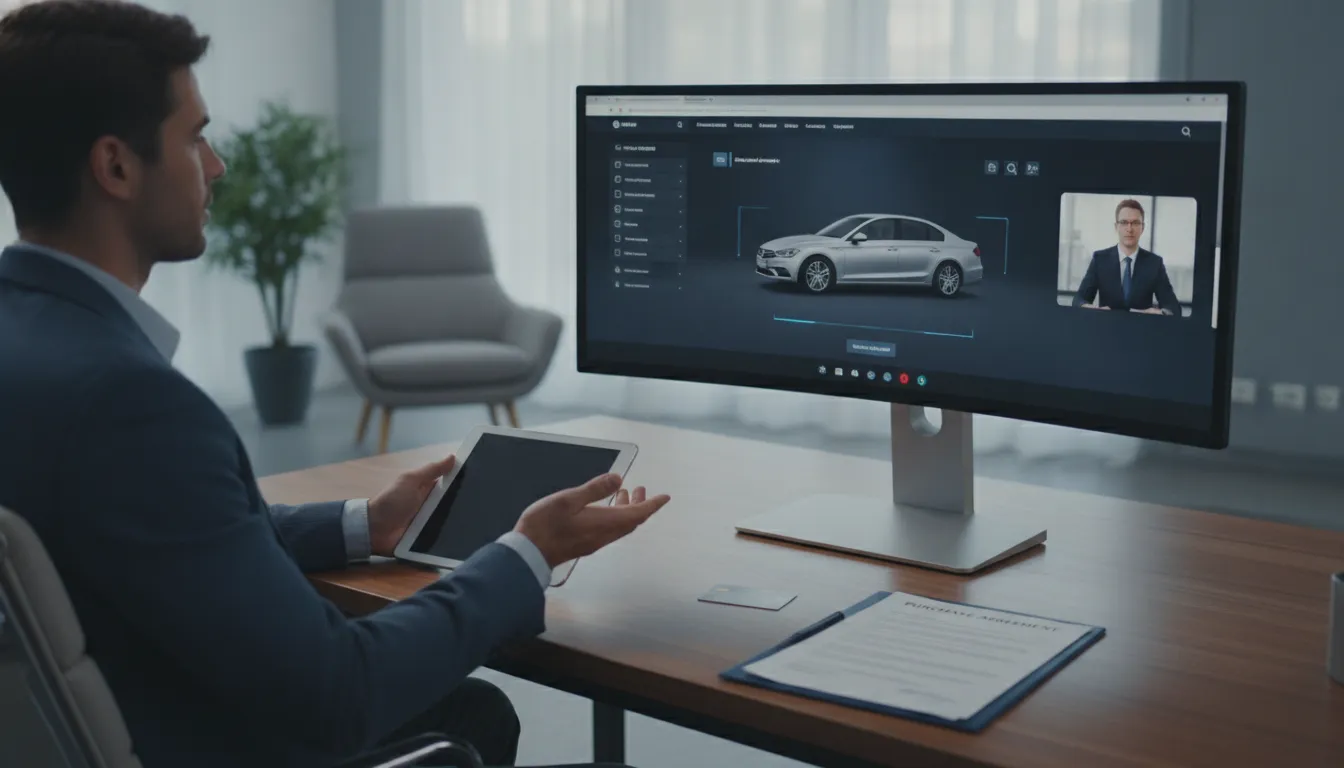
A car can look like a great fit online, but a few important checks can make the difference between a confident purchase and an unpleasant surprise. Remote car buying lets you explore listings, speak with a dealership, and discuss financing before you visit. It may also help shoppers outside Denver compare vehicles at Royal Automotive in Englewood. Still, buying from a distance means you'll need to confirm details that an in-person visit might reveal: the VIN, title status, vehicle condition, fees, and delivery arrangements. This guide explains what to ask, what to verify, and how to decide whether a remote purchase suits your needs.
Key Takeaways
- Verify before committing: Confirm the dealership's identity, match the VIN across documents, and arrange an independent inspection when possible.
- Compare the complete cost: Review the itemized price, delivery and inspection expenses, and financing terms, including APR and total repayment.
- Put the agreement in writing: Confirm the car's condition, payment terms, paperwork, and handoff plan, then keep copies and inspect the vehicle at pickup or delivery.
What Is Remote Car Buying, and How Does It Work?
Remote car buying means handling some or most of your vehicle purchase online or by phone before visiting a dealership. You can compare cars, ask questions, explore financing, and coordinate an inspection or pickup from home. The process varies by dealership, so ask which steps can be completed remotely and which require an in-person visit.
For Denver-area shoppers, starting with nearby inventory can make it easier to see a vehicle or arrange an inspection. Browse Royal Automotive's used-car inventory to see what's available in Englewood.
Compare listings, photos, and video walkarounds
Narrow your options by setting a budget and listing the features you need, such as all-wheel drive, cargo space, or a specific safety feature. Read listings closely and compare the vehicle's year, trim, mileage, equipment, and stated condition. Photos can show visible wear, but they may not capture every detail.
Ask the dealership for additional photos or a live video walkaround. Have the person show the exterior, interior, tires, and engine bay, and point out any scratches, dents, stains, or other wear. A detailed view can help you decide which cars are worth seeing in person. The Ohio Independent Automobile Dealers Association's digital marketing guide also highlights how online information helps shoppers research vehicles before making a decision.
Ask what you can do remotely and what requires a visit
Before focusing on a particular car, ask the dealership to explain its buying process. You may be able to discuss the vehicle by phone, submit information for financing, or review some documents online. A test drive, vehicle inspection, identity check, or certain signatures may still require an in-person visit.
Ask how you'll receive paperwork, who will answer questions, and whether the dealership offers delivery if you live outside the Denver area. Confirm any delivery charge and whether you can inspect the vehicle before accepting it. Online chat, virtual appointments, and remote paperwork can simplify parts of a purchase, but the options differ by dealership. C-4 Analytics outlines some of the digital services auto dealers may offer.
Weigh convenience against limited hands-on inspection
Shopping remotely can save time, especially if you're comparing several vehicles or live outside the immediate area. But photos and video can't tell you how a car feels to drive, whether the seat is comfortable, or how its controls and visibility work for you. A video walkaround also isn't a substitute for a professional mechanical inspection.
When possible, test-drive the car and arrange an independent inspection before you buy. If you can't visit, ask whether a local mechanic can inspect the vehicle and coordinate access with the dealership. Request the written findings, then follow up on anything that's unclear before making a decision. Remote car buying can be convenient, but it's still important to verify the vehicle and seller before paying, as this guide to buying a car remotely advises.
Check local inventory and online financing or pre-approval
Start with vehicles available nearby, where arranging a test drive or inspection may be simpler. Compare the price, mileage, and features, then contact the dealership to confirm the car is still available and ask about its condition. Royal Automotive serves Englewood and the Denver area, and its online inventory is a practical starting point.
If you plan to finance, ask whether you can apply or get pre-approved online. You can also compare offers from a bank or credit union. Review the annual percentage rate, loan term, monthly payment, and total repayment amount rather than judging an offer by the monthly payment alone. The Consumer Financial Protection Bureau's guide to auto financing explains the difference between dealer-arranged and bank financing. You can also review Royal Automotive's financing information.
How Can You Verify a Car and Seller Remotely?
When you buy a car from a distance, verify both the vehicle and the person or dealership selling it before you pay a deposit or sign paperwork. Check important details against more than one source, save copies of the listing and messages, and ask for written answers to questions about the car's condition, history, and price. A seller who communicates clearly and provides reasonable documentation makes it easier to assess the purchase.
Start with the dealership's identity and contact information, then confirm the car's VIN, title status, mileage, service history, and recall status. Request current photos or a live video walkaround, and arrange an independent inspection if you can. A vehicle history report can help flag concerns, but it may not include every accident or repair. Inforide's guide to remote car buying also recommends researching the seller and asking for detailed images.
Royal Automotive is located at 3232 S Broadway in Englewood, Colorado. You can confirm details on the dealership's About Us page and review its current inventory as you compare vehicles. Use the steps below to guide your questions, and pause if information doesn't match.
Confirm the dealership's identity, location, contact details, and reputation
Look up the dealership independently instead of relying only on the contact information in an online listing. Check that the business name, street address, and phone number match across its official website and other business listings. Contact the seller using a number or email address listed on the dealership's website, and confirm that the person you're speaking with works there.
Read reviews on more than one platform. Look for recurring comments about communication, whether vehicles match their descriptions, and how the business responds to concerns. One review may not tell the whole story, but repeated patterns can help you form a clearer picture. Ask who will answer your questions and whether you can speak by phone or video. Specific, consistent responses make it easier to verify details and keep a record of your conversations.
Match the VIN across the car, history report, and paperwork
Ask for the vehicle identification number, or VIN, and compare it with the number shown on the vehicle and in the documents you receive. The VIN is often visible through the windshield on the driver's side and on a label inside the driver's door. Check that all 17 characters match the listing, history report, title, and purchase paperwork. If they don't, ask the seller to explain the discrepancy before proceeding.
Use the VIN to review a vehicle history report for reported accidents, title brands, mileage changes, and ownership records. Reports can be incomplete, so don't treat them as proof that a car has never had problems. You can also check for open safety recalls with the National Highway Traffic Safety Administration's VIN lookup.
Check title, ownership, mileage, service records, and recalls
Ask whether the seller has the title and whether it is clear, branded, or held by a lender. Confirm that the seller has the legal authority to sell the vehicle. If there's a lien, ask how it will be paid off and when you'll receive the title. Title and registration requirements vary by state, so check what you'll need to complete the transfer where you live.
Compare the odometer reading with the listing, history report, and available service or inspection records. Ask for maintenance receipts and details about recent repairs. Missing records don't automatically mean there's a problem, but the seller should be clear about what is and isn't available. Check the VIN for open recalls using the NHTSA recall search, then ask the seller whether any listed recall work has been completed and request documentation if available.
Request recent photos, a live walkaround, and details about wear or damage
Ask for recent, well-lit photos of the exterior, interior, tires, wheels, dashboard, odometer, and engine area. Request close-ups of any scratches, dents, worn upholstery, warning lights, or other flaws. A live video walkaround can help confirm that the images show the specific car you're considering. Ask the seller to show the VIN and start the engine during the call, if possible.
Be specific about what you want to see or know. Ask about tire condition, unusual noises or smells, signs of water damage, and whether listed features work. If a photo leaves something unclear, request another view rather than guessing. Keep copies of the listing, photos, and messages so you can compare the car's condition at pickup or delivery with what the seller described.
Hire an independent mechanic to inspect the car
A vehicle history report and photos can't replace a hands-on inspection. Ask whether an independent mechanic can examine the car at the dealership or at a nearby repair shop. Choose the mechanic yourself, agree on a time with the seller, and request a written report. If you're buying from outside the area, contact a repair shop near the vehicle and confirm that it can inspect the car before booking.
Ask the mechanic to check major systems, tires, brakes, leaks, diagnostic codes, and signs of previous damage. Request estimates for recommended repairs so you can factor them into your decision and budget. If the seller won't allow an independent inspection, ask why and consider whether you're comfortable proceeding without one. Confirm the appointment and access arrangements with the dealership before the mechanic visits.
Review the findings and ask about anything unclear
Read the inspection report closely. If you don't understand a term or recommendation, ask the mechanic to explain it and identify which repairs are urgent, routine, or optional. For any issue the seller says has already been fixed, request a receipt or other supporting record. This helps you distinguish between a documented repair and a verbal assurance.
Compare the report with the listing, vehicle history, photos, and paperwork. If details conflict, ask the seller to clarify them in writing before you agree to a price or sign. Notice whether the answers are specific and consistent. A seller may not have every record, but should be straightforward about what's known and what isn't. Save the report and follow-up messages with your purchase documents for reference later.
Watch for pressure tactics, suspicious payment requests, and unusually low prices
Take a pause if the seller urges you to pay immediately, discourages an inspection, or asks for a deposit before providing basic information. A price far below comparable vehicles is another reason to investigate. Compare cars with a similar year, mileage, trim, condition, and history, then ask the seller to explain a substantial price difference.
Before sending money, verify the recipient's name, payment amount, and instructions through a dealership contact you've confirmed independently. Avoid paying an unrelated person or using a method that doesn't provide a clear record. Get deposit terms in writing, including whether the deposit is refundable and what happens if the vehicle or paperwork differs from what was promised. If the details don't add up, hold off until you've verified them.
What Does Remote Car Buying Cost?
The advertised price is only one part of your budget. Before committing to a remote purchase, add up the amount due at signing and the costs you may face after the vehicle arrives. Ask the seller for an itemized quote, then compare financing and delivery options. That gives you a clearer picture of the full cost, not just the monthly payment.
Compare the out-the-door price, including taxes, fees, and registration
Ask for the out-the-door price in writing. It should show the vehicle price, sales tax, title and registration costs, and dealer fees. Taxes and registration can vary based on where you live, so confirm which location the dealership used for its estimate and whether you'll need to handle any paperwork yourself.
If you see a charge you don't recognize, ask what it covers and whether it's required. A clear breakdown helps you compare offers from different sellers and catch fees that weren't part of the original discussion. For a fuller budget, account for recurring expenses such as insurance and maintenance, as Yahoo Finance suggests.
Add inspection, insurance, transportation, and delivery costs
A remote purchase may involve expenses beyond the vehicle and paperwork. If you plan to hire an independent mechanic, ask about the inspection fee before booking. Contact your insurer with the car's year, make, model, and VIN to get a quote, and confirm when your coverage should begin.
If the vehicle is outside your area, ask whether it needs to be shipped and who will arrange transport. Get the delivery cost, estimated timing, and handoff details in writing. Shipping prices vary by distance and transport method, so compare options before agreeing to a purchase. The Federal Trade Commission recommends an independent inspection, even when you have a vehicle history report.
Estimate the vehicle's maintenance and repair costs
The purchase price doesn't show what a car may cost to maintain. Ask for available service records and, if possible, have an independent mechanic inspect the vehicle before you buy. Request estimates for recommended repairs, upcoming maintenance, or worn items such as tires and brakes.
Use the car's age, mileage, condition, and service history to plan for routine expenses. An inspection can identify concerns that may need attention soon, but it can't guarantee the vehicle won't need repairs later. Review the mechanic's findings with the seller and ask about anything that's unclear. If repairs are needed, decide whether the cost fits your budget before signing or ask whether the price can be adjusted.
Compare cash, bank or credit union loans, and dealership financing
Paying cash can keep you from taking on a loan, but it also ties up money you may need for other expenses. A bank or credit union loan lets you arrange financing directly. Dealership financing is another option, with terms offered through lenders the dealership works with. Compare the total cost of each option, not just the monthly payment.
Ask about the annual percentage rate (APR), loan term, fees, and whether the offer depends on your credit profile. The FTC explains direct lending and dealership financing and encourages shoppers to compare options before signing. If you're considering a vehicle from Royal Automotive, review its financing and pre-approval information to see what steps you can take before finalizing a purchase.
Get pre-approved and compare APR, loan term, monthly payment, and total repayment
A pre-approval from a bank or credit union gives you an offer to compare with dealership financing. Look at the APR, loan length, monthly payment, and total amount you'll repay. A longer loan may lower your monthly payment, but it can also mean paying more interest over time. Choose terms that fit your budget while keeping the total cost in view.
When comparing offers, use the same loan amount and down payment where possible. Ask whether the rate is fixed, whether the loan includes extra fees, and how long the offer remains valid. A low monthly payment doesn't always mean a lower-cost loan, since it may come with a longer term. Keep your written pre-approval handy so you have a clear spending limit as you review the vehicle and purchase paperwork.
Ask about trade-in value and review every fee before agreeing on a price
If you plan to trade in your current vehicle, ask for its value separately from the price of the car you're buying. This makes it easier to understand how the trade affects the deal. Share accurate details about your vehicle's mileage and condition, and ask how long the offer will remain valid.
Before agreeing, review the purchase order and financing paperwork line by line. Check that the vehicle price, trade-in credit, taxes, registration, dealer fees, and optional products match what you discussed. Ask the seller to explain any unfamiliar charge and provide an updated quote if the numbers change. Royal Automotive shares information for customers who want to sell or trade in a vehicle, so you can ask about that option as part of your purchase conversation.
What Should You Confirm Before Buying Remotely?
Buying a car remotely can save you a trip, but it calls for the same care you'd take at the dealership. Before sending money or signing documents, confirm the seller's identity, review the car's condition, and understand the full cost. Ask for important details in writing, and take time to read each document before agreeing to the sale.
Remote purchases can involve several steps, from arranging an inspection to transferring the title and organizing delivery. Ask the dealership which tasks it can handle by phone, email, or online, and which require an in-person visit. Confirm who will prepare the paperwork and who you can contact with questions.
Royal Automotive is based in Englewood and serves shoppers in the Denver area. If you're considering a car from its current inventory, contact the dealership to confirm it's available and ask about its condition and purchase process. You can also ask about financing options and whether pickup or delivery arrangements are available for your situation. Keep your messages and documents together so you can refer to the agreed terms throughout the purchase.
Get the price, condition, and seller promises in writing
Ask for an itemized price showing the vehicle's sale price, dealer fees, taxes, and any optional products. Request written details about the mileage, known damage, included accessories, and repairs or other promises made by the seller. Ask for recent photos, and arrange a live video walkaround if you can't see the car in person. Keep copies of the listing, messages, photos, and inspection report, then compare them with the vehicle's paperwork. The Federal Trade Commission's used-car buying guidance advises buyers to get promises in writing. If the seller says a repair will be completed or an item is included, make sure the purchase documents reflect that before you sign.
Review financing, title transfer, registration, warranty, and cancellation terms
Read the sales contract and financing documents before signing. Confirm the APR, loan term, down payment, monthly payment, and total amount you'll repay. Ask who handles the title transfer, what documents you'll receive, and what you'll need to register the car where you live. Check whether the vehicle has a warranty, is sold as-is, or comes with specific cancellation terms. Don't rely on a verbal explanation if the contract says something different. Ask the dealership to clarify any unclear terms in writing. Colorado buyers can review the state's title and registration requirements, then confirm with the dealership which steps apply to their purchase.
Verify payment instructions and use a secure, documented method
Confirm the dealership's legal name, address, and payment instructions through contact information you've verified independently. Be cautious if someone asks you to pay a personal account, use gift cards, or send funds through an unfamiliar service. If payment details change at the last minute, call the dealership using a trusted number before acting. Ask for a signed purchase agreement and an itemized receipt showing the amount paid and what it covers. Keep payment confirmations and related messages with your purchase records. Don't send money until you've reviewed the vehicle details and documents, confirmed the final price, and understand what the payment secures. If anything feels unclear, pause and ask questions before transferring funds.
Confirm pickup or delivery costs, timing, carrier, and handoff steps
Clarify whether you'll pick up the vehicle or arrange delivery, and get the cost and estimated timing in writing. If a carrier will transport it, confirm who books the shipment, who pays, and what insurance applies while the car is in transit. Ask what identification and paperwork you'll need at the handoff, and whether another person can accept the vehicle for you. Agree on how you'll receive the keys and signed documents. If you plan to visit the dealership, confirm the appointment and vehicle availability before traveling. Royal Automotive is located in Englewood, so contact the dealership to discuss pickup details and ask which arrangements may work for your location.
Inspect the car at delivery and document any damage or differences
Before accepting the vehicle, compare it with the listing, the written condition details, and any inspection report. Check the body, glass, interior, tires, dashboard warning lights, and odometer. Take clear photos or video, including any areas that look different from what the seller described. If you find damage or another issue, note it on the delivery paperwork before signing and contact the seller promptly. Ask how the concern will be handled, and keep a record of the conversation. You can also check for open safety recalls using the vehicle's VIN through the National Highway Traffic Safety Administration's recall tool. A recall search is useful, but it doesn't replace a mechanical inspection.
Keep signed paperwork and confirm who can help afterward
Save copies of the signed purchase agreement, financing documents, title paperwork, inspection report, payment receipt, and written promises. Store them somewhere you can access after the sale, and note the name and contact details of the dealership representative who can answer follow-up questions. Ask when to expect the title and any remaining documents, and who to contact if they don't arrive. If you financed the car through a lender, keep its contact information, payment schedule, and loan documents with your records. Before the handoff, confirm how to raise a concern about the vehicle or ask about warranty coverage. Organized paperwork makes it easier to track what's complete and resolve questions after the purchase.
Use a final checklist for the seller, car, inspection, total cost, financing, and delivery
Before making the final payment or signing, run through this checklist:
- Seller: Have you verified the dealership's identity, location, and contact information?
- Car: Does the VIN match across the vehicle, history report, and paperwork?
- Condition: Have you reviewed recent photos, inspection findings, and disclosed issues?
- Total cost: Do you understand the sale price, taxes, fees, insurance, inspection, and transportation costs?
- Financing: Have you checked the APR, loan term, monthly payment, and total repayment?
- Handoff: Are pickup or delivery timing, costs, paperwork, and inspection steps clear?
If anything is uncertain, ask for an explanation in writing before moving forward. Confirm that the documents match the terms you agreed to and that you know who to contact with questions. A careful final review can help prevent surprises and keep the purchase on track.
Related Articles
- Tips for Remote Car Buying
- Digital Marketing Strategies for Car Dealerships
- The Importance of Digital Marketing for Today's Auto Dealer
- What is the difference between dealer-arranged and bank financing?
- Financing or Leasing a Car
Frequently Asked Questions
Can I complete a used-car purchase entirely online? Some dealerships let you handle parts of the purchase online or by phone, but requirements vary. Ask which steps can be done remotely and whether you'll need to visit for a test drive, inspection, identity check, signatures, or pickup.
Should I get a car inspected if I'm buying it remotely? Yes, when possible. Arrange an independent mechanic's inspection before you commit. If you can't visit the car yourself, ask whether a local mechanic can inspect it and request a written report.
What should I check before sending a deposit? Confirm the seller's identity, vehicle VIN, title status, condition, and final price. Get the deposit terms and payment instructions in writing, and verify payment details with the dealership using contact information you've confirmed independently.
What costs should I include in my remote car-buying budget? Ask for an itemized out-the-door quote that includes the vehicle price, taxes, title and registration costs, and dealer fees. Also plan for inspection, insurance, transportation or delivery, and possible maintenance or repairs.
Can I arrange a remote purchase with Royal Automotive? Contact Royal Automotive to ask which parts of the purchase can be handled remotely and whether pickup or delivery options are available for your location. You can review the Englewood dealership's inventory and ask about financing and pre-approval before deciding.